Category: Weight and Condition
Weight and Condition Management for Horses
Maintaining the right weight and body condition is essential for your horse’s overall health, performance, and longevity. Whether you’re managing a hard keeper, trying to prevent obesity, or ensuring optimal muscle tone and fitness, understanding weight management is key to keeping your horse in peak condition.
How to Assess Your Horse’s Weight and Condition
The Henneke Body Condition Scoring System (BCS) is a widely used method to evaluate a horse’s weight and fat distribution on a scale of 1 (emaciated) to 9 (obese). Ideally, most horses should fall between 4 and 6, with slight variations depending on breed, discipline, and workload.
Key Areas to Check:
Ribs – You should be able to feel them easily but not see them prominently.
Neck & Shoulder – Should blend smoothly into the body without excess fat.
Back & Withers – A healthy weight horse has a flat or slightly rounded topline.
Tailhead & Hip Area – Excess fat deposits indicate overweight, while sharp hip bones suggest underweight.
Regularly monitoring body condition and adjusting diet or exercise accordingly can prevent long-term health issues.
Managing an Underweight Horse (Hard Keepers)
Some horses struggle to maintain weight due to high metabolism, stress, illness, poor nutrition, or dental issues. Here’s how to help them gain and sustain a healthy body condition:
Increase Forage Intake – Provide high-quality hay and consider adding alfalfa for extra calories and protein.
Feed High-Fat Diets – Rice bran, flaxseed, and vegetable oils can add safe, slow-burning calories.
Choose the Right Concentrates – Grain should be low in starch and high in fiber and fat to prevent digestive upset.
Support Gut Health – Probiotics, prebiotics, and digestive enzymes improve nutrient absorption.
Check Dental Health – Poor teeth can limit chewing ability, affecting nutrient intake.
Reduce Stress – Provide a stable environment and proper herd dynamics to minimize anxiety.
Managing an Overweight Horse (Easy Keepers)
Overweight horses are at risk for laminitis, metabolic disorders, and joint stress. If your horse carries excess weight, consider these management tips:
1 Limit High-Calorie Feeds – Reduce grains and high-sugar hay (like alfalfa) and opt for low-starch, high-fiber options.
2 Increase Exercise – Regular movement helps burn calories and build muscle.
3 Use a Grazing Muzzle – Limits pasture intake while allowing natural grazing behavior.
4 Balance the Diet – Ensure your horse receives vitamins, minerals, and protein without excessive calories.
5 Weigh Feed Properly – Overfeeding can easily happen without measuring hay and concentrates accurately.
Maintaining a Healthy Weight for Performance Horses
Performance horses require careful weight and condition management to sustain energy, muscle tone, and stamina. Their diet should include:
Quality Protein – Supports muscle recovery and growth (amino acids like lysine and methionine are crucial).
Fat for Energy – Fats provide long-lasting energy without causing sugar spikes.
Electrolytes & Hydration – Ensure they receive enough sodium, potassium, and magnesium to prevent dehydration.
Consistent Exercise – Helps maintain lean muscle and prevents fat accumulation.
Final Thoughts
Maintaining optimal weight and condition is a balance of nutrition, exercise, and proper care. Regular body condition scoring, adjusting the diet as needed, and ensuring proper gut health will help keep your horse in peak condition for a long and healthy life.
Showing all 4 results
-
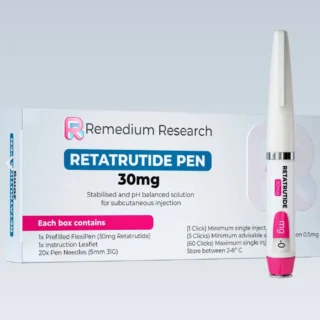
Buy retatrutide premixed pen (30 mg)
Original price was: $250.00.$210.00Current price is: $210.00.Add to cartBuy Retatrutide Premixed Pen (30 mg) Online Retatrutide premixed pen represents the next generation of metabolic therapeutics, acting as a highly potent GIP, GLP-1, and Glucagon (GCG) receptor tri-agonist. Often referred to in clinical development as “Triple-G,” this peptide therapy expands upon the mechanisms of dual-agonists (like tirzepatide) to drive profound weight reduction, glycemic control, …
-
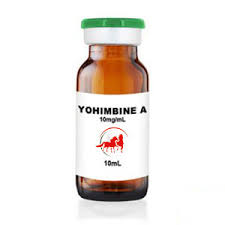
Buy Yohimbine A 10ml Online | Premium Yohimbine HCl Liquid Formula
Price range: $210.00 through $1,250.00Select options This product has multiple variants. The options may be chosen on the product pageYohimbine A 10ml Liquid is a fast-acting Yohimbine HCl formula designed to support energy, performance, metabolic activity, and workout-focused supplementation. Its liquid delivery format allows convenient administration and flexible dosing for experienced users.
-
Follistatin 344 1mg For Sale Near Me
$210.00Add to cartFollistatin 344 (1mg): A Comprehensive Overview Follistatin 344 is a well-researched and highly sought-after peptide for its ability to promote muscle growth by inhibiting myostatin. A protein that limits muscle tissue development. Bodybuilders, athletes, and researchers are drawn to Follistatin 344. For its potential to significantly enhance muscle mass without the need for anabolic steroids. …
-
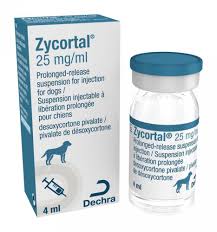
Zycortal
$80.00Add to cartZycortal is a veterinary medication specifically designed to manage Addison’s disease in dogs, a condition medically termed hypoadrenocorticism. This disease occurs when the adrenal glands fail to produce sufficient hormones to regulate essential bodily functions. As a form of hormone replacement therapy, Zycortal helps restore hormonal balance in affected dogs, alleviating symptoms and improving their quality of life.

Top rated products
-
 Buy Burnabol 1ml Injection: Uses, Benefits, Dosage, Side Effects & Precautions
Original price was: $60.00.$50.00Current price is: $50.00.
Buy Burnabol 1ml Injection: Uses, Benefits, Dosage, Side Effects & Precautions
Original price was: $60.00.$50.00Current price is: $50.00.
-
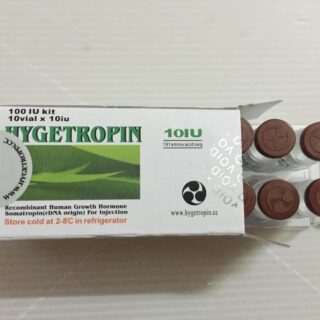 Buy HYGETROPIN 100iu
$130.00
Buy HYGETROPIN 100iu
$130.00
-
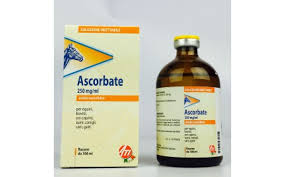 Buy Ascorbate 100mg
$60.00
Buy Ascorbate 100mg
$60.00
-
 Biosal injection
$40.00
Biosal injection
$40.00
-
 Boldenone For Horses
$45.00
Boldenone For Horses
$45.00