The Elite Trainer’s Guide to Equine & Camel Sports Medicine: Pre-Race Catalysts, Joint Fluid Dynamics, and EIPH Mitigation Strategies
In the high-stakes world of Thoroughbred racing, endurance camel racing, and elite equestrian disciplines, the biological threshold between a podium finish and a mid-pack placement rests entirely on cellular optimization. When an animal pushes past its maximum aerobic capacity, its physiological systems face three distinct barriers: mitochondrial ATP depletion, acute lactic acid accumulation, and profound pulmonary capillary stress.
To overcome these metabolic limits, modern sports medicine relies on a highly coordinated protocol of pre-race catalysts, chondroprotective joint therapies, and vascular stabilizers. This clinical guide breaks down the precise physiological pathways, administration timelines, and safety protocols required to manage high-performance equine and camel athletes.
Part 1: Demystifying Pre-Race Performance Catalysts and Anaerobic ATP Generation
During a high-velocity sprint or a long-distance endurance event, skeletal muscles require immediate, massive quantities of energy. When oxygen delivery cannot keep pace with energy demands, the animal enters a state of anaerobic metabolism, relying heavily on stored intracellular energy reserves.
                  [MAXIMAL RUNNING WORKLOAD]
                              │
                              ▼
                   [OXYGEN DEFICIT STATE]
                              │
         ┌────────────────────┴────────────────────┐
         ▼                                         ▼
[Anaerobic Glycolysis]                   [Exogenous ATP Influx]
         │                                         │
   Accumulates $H^+$ Ions                          Upregulates Myofibrillar
         │                                      Cross-Bridge Cycling
         ▼                                         │
   Muscular Fatigue & Burn                         ▼
         │                              Sustained Stride Velocity
         ▼                                  & Delayed Exhaustion
  [SPEED DECLINES]
The Role of Bioavailable Exogenous Adenosine Triphosphate (ATP)
Exogenous ATP infusions act as a direct cellular energy source. By increasing plasma ATP levels immediately prior to exertion, trainers can bypass the delays of cellular resynthesis. This process delivers several key physiological benefits:
-
Enhanced Myofibrillar Cross-Bridge Cycling: Increases the velocity and force of muscular contractions.
-
Stabilized Calcium Ion ($Ca^{2+}$) Transport: Sustains the efficiency of the sarcoplasmic reticulum, preventing the cellular cramping and locking associated with early-onset muscle failure.
Metabolic Support and Vasodilation Pathways
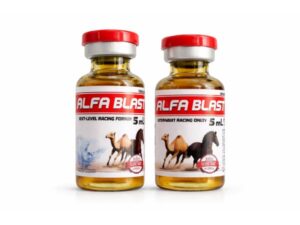
Products like Alfa Blast 5ml and King Cobra 100ml combine bioactive ATP with highly targeted amino acid complexes to optimize athletic performance.
-
L-Arginine and Nitric Oxide ($NO$) Production: L-Arginine acts as a direct precursor to nitric oxide synthesis. Once in the bloodstream, it triggers smooth muscle relaxation within blood vessel walls, causing systemic vasodilation. This widens the vascular network, lowering systemic blood pressure while significantly increasing blood flow and oxygen delivery to active muscle groups.
-
L-Carnitine and Fatty Acid Oxidation: L-Carnitine facilitates the transport of long-chain fatty acids across the inner mitochondrial membrane. By accelerating fatty acid oxidation, it preserves precious glycogen stores, ensuring the animal retains an explosive finishing drive at the end of the race.
Administration Timing and Pharmacokinetic Profiles
The effectiveness of these compounds depends entirely on proper timing. For products like Alfa Blast 5ml, the optimal administration window is 4 to 6 hours prior to the event or hard breeze.
This 4-to-6-hour window ensures the active ingredients thoroughly clear the plasma space. Distribute evenly into intracellular muscle tissue, and fully engage downstream ATP pathways. Administering these compounds too close to post-time (e.g., 60–90 minutes prior) leaves the active amino acids unmetabolized in circulation, failing to provide the desired athletic support.
Part 2: The Science of Joint Fluid Dynamics – Arthropen vs. Polyglycan vs. Adequan
Sustained high-velocity workloads place extreme mechanical stress on articular cartilage, subchondral bone, and synovial structures. Left unmanaged, this wear triggers a cascade of inflammatory cytokines (such as $IL-1$ and $TNF-\alpha$) that degrade synovial fluid viscosity and break down the cartilage matrix.
To maintain joint health, trainers must implement a proactive maintenance schedule utilizing clinically proven chondroprotective agents.
+---------------------------------------------------------------------------------------+
|                       COMPARATIVE EQUINE JOINT THERAPIES MATRIX                       |
+---------------------------------------------------------------------------------------+
| PRODUCT     | PRIMARY ACTIVE INGREDIENTS               | SPECIFIC INJECTION ROUTE     |
+-------------+------------------------------------------+------------------------------+
| Arthropen   | Pentosan Polysulfate Sodium (250 mg/mL)  | Deep Intramuscular (IM)      |
+-------------+------------------------------------------+------------------------------+
| Polyglycan  | Hyaluronic Acid + Chondroitin + Glucosamine | Intra-articular (IA) / IV |
+-------------+------------------------------------------+------------------------------+
| Adequan     | Polysulfated Glycosaminoglycan (PSGAG)   | Intramuscular (IM)           |
+-------------+------------------------------------------+------------------------------+
1. Arthropen Vet 250 (Pentosan Polysulfate Sodium)
Arthropen Vet 250 stands out due to its multi-action anti-inflammatory and chondroprotective properties. Pentosan Polysulfate Sodium ($PPS$) works by stimulating cartilage cells (chondrocytes) to synthesize new matrix components while actively inhibiting the proteolytic enzymes that destroy cartilage.
-
Mechanism: It clears fibrin clots and lipid deposits out of subchondral blood vessels, restoring proper blood flow to damaged joints and speeding up bone remodeling.
-
Protocol: Administered via deep intramuscular injection at a dose of 3 mg/kg body weight once weekly for a consecutive 4-week cycle.
2. Polyglycan
Polyglycan is a patented formulation combining Hyaluronic Acid, Chondroitin Sulfate, and Glucosamine. It is designed to replace lost synovial fluid constituents directly.
-
Mechanism: It restores joint lubrication, reduces friction within the joint capsule, and neutralizes destructive inflammatory enzymes.
-
Protocol: Frequently used post-arthroscopy or as a regular pre-event joint wash via intra-articular or slow intravenous administration.
3. Adequan (Polysulfated Glycosaminoglycan)
Adequan is widely recognized for its ability to bind directly to damaged cartilage matrices.
-
Mechanism: It inhibits catabolic enzymes like aggrecanase and metalloproteinases, halting the degradation of structural cartilage components.
-
Protocol: Standard protocol requires an intramuscular injection every 4 days for a total of 7 treatments.
Part 3: Management and Prevention of Exercise-Induced Pulmonary Hemorrhage (EIPH)
Exercise-Induced Pulmonary Hemorrhage (EIPH), or “bleeding,” is a significant challenge affecting high-performance equine and camel athletes. EIPH occurs when the massive cardiac output required during a full sprint raises pulmonary capillary pressure to extreme levels. Rupturing the delicate blood vessels in the lungs.
The Mechanics of Pulmonary Capillary Stress
During high-intensity exercise, a racehorse’s cardiac output can increase up to tenfold. Causing blood pressure within the pulmonary capillaries to exceed $90\text{ mmHg}$. This extreme pressure causes red blood cells to break through the blood-gas barrier into the alveoli. Leading to respiratory restriction, airway inflammation, and a noticeable drop in performance.
       Extreme Anaerobic Effort ──> Massive Cardiac Output Surge
                                          │
                                          ▼
                         Pulmonary Blood Pressure > 90 mmHg
                                          │
                                          ▼
                         Rupture of Lung Capillary Walls
                                          │
                        ┌─────────────────┴─────────────────┐
                        ▼                                   ▼
          Clinical Airway Bleeding              Sub-Clinical Inflammation
Comprehensive Mitigation Strategies
To safeguard the respiratory health of performance animals, trainers should utilize a multi-tiered mitigation strategy:
-
Controlled Microvascular Vasodilation: Utilizing targeted formulations like Alfa Blast lowers systemic vascular resistance, safely reducing peak blood pressure spikes within the lungs without compromising muscle perfusion.
-
Lactic Acid Neutralization: Managing systemic acidosis helps the animal maintain a smooth, steady stride length at peak exertion, preventing the erratic, heavy breathing patterns that exacerbate lung tissue trauma.
-
Environmental Optimization: Ensure stabling environments are completely free of dust, mold, and airborne irritens to minimize baseline airway inflammation.
Part 4: Where to buy Pre-race stamina boosters
To find detailed application guides, confirm pricing, or buy verified performance solutions online, utilize our secure web assets:
Tacomavetmeds.com Resources (Product Fulfillments)
-
To secure your multi-dose vials of advanced metabolic performance formulas, Buy Alfa Blast Online on tacomavetmeds.com.
-
For complete product descriptions and compounding specifications, explore the Official King Cobra 100ml Product Page.
-
Protect your animal’s structural foundation with veterinary-grade joint solutions by visiting the Arthropen Vet 250 Ordering Hub.
For further clinical validation, consult these leading industry resources:
-
Review the official therapeutic substance restrictions via the International Federation of Horseracing Authorities (IFHA) Guidelines.
-
Examine peer-reviewed research on equine joint degradation through the American Association of Equine Practitioners (AAEP) Sports Medicine Portal.

Top rated
-
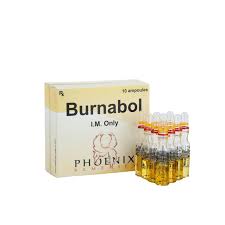 Buy Burnabol 1ml Injection: Uses, Benefits, Dosage, Side Effects & Precautions
Original price was: $60.00.$50.00Current price is: $50.00.
Buy Burnabol 1ml Injection: Uses, Benefits, Dosage, Side Effects & Precautions
Original price was: $60.00.$50.00Current price is: $50.00.
-
 Buy HYGETROPIN 100iu
$130.00
Buy HYGETROPIN 100iu
$130.00
-
 Buy Ascorbate 100mg
$60.00
Buy Ascorbate 100mg
$60.00
-
 Biosal injection
$40.00
Biosal injection
$40.00
-
 Boldenone For Horses
$45.00
Boldenone For Horses
$45.00