The Clinical Guide to EIPH Prevention: Managing Pulmonary Capillary Stress in Racehorses and Camels
For Thoroughbred trainers, endurance racing teams, and equine sports medicine specialists, Exercise-Induced Pulmonary Hemorrhage (EIPH)—commonly known as “bleeding”—remains one of the most significant barriers to elite athletic performance. Whether it manifests visibly as epistaxis (blood at the nostrils) or hidden deep within the airways, EIPH causes irreversible lung tissue damage, progressive scarring, and a noticeable drop in speed during the home stretch.
Managing this condition effectively requires moving away from short-term fixes and focusing on the underlying vascular mechanics of the animal. This guide breaks down the physiological causes of pulmonary bleeding, explains how intense anaerobic deficits place immense pressure on blood vessels, and outlines targeted protocols using vasodilators and respiratory agents to protect lung tissues at maximum stride length.
1. The Vascular Mechanics of EIPH: Why High-Performance Animals Bleed
To understand EIPH prevention in racehorses and camels, we must look at the intense physical demands placed on their cardiovascular systems during a full sprint.
The blood-gas barrier in the lungs of an athletic mammal is incredibly thin, designed to maximize the exchange of oxygen and carbon dioxide. This delicate membrane is only a fraction of a micrometer thick. During intense exercise, two powerful forces collide at this membrane, creating a high-pressure zone that risks tearing the tissues.
                  [MAXIMAL ANAEROBIC EXERTION]
                               │
         ┌─────────────────────┴─────────────────────┐
         ▼                                           ▼
[Alveolar Airway Pressure]                  [Pulmonary Capillary Pressure]
* Intense, labored breathing                * Heart rate exceeds 220+ BPM
* Massive negative pressure                 * Cardiac output increases 10x
* Created inside air sacs                   * Blood pressure spikes > 90 mmHg
         │                                           │
         └─────────────────────┬─────────────────────┘
                               ▼
                [CO-AXIAL TRANSMURAL PRESSURE STRESS]
                               │
                               ▼
                Rupture of the Blood-Gas Barrier
                               │
                               ▼
                [PULMONARY HEMORRHAGE (EIPH)]
-
Massive Cardiac Output Surge: As an animal reaches its maximum anaerobic threshold, its heart rate climbs dramatically (often exceeding $220\text{ B slots/min}$ in horses). Total cardiac output can increase tenfold, forcing a massive volume of blood through the lungs and causing pulmonary capillary pressure to spike from a resting $20\text{ mmHg}$ to over $90\text{ to }100\text{ mmHg}$.
-
Intense Airway Pressure Changes: At the same time, the animal’s labored breathing creates strong negative pressure inside the air sacs (alveoli) as it inhales deeply to capture oxygen.
The difference between the high blood pressure inside the capillaries and the negative air pressure inside the air sacs creates a severe mechanical strain called transmural pressure. When this pressure crosses the structural limit of the tissue, the blood-gas barrier ruptures. This forces red blood cells into the airways, causing inflammation, breathing restriction, and sub-clinical bleeding.
2. The Anaerobic Deficit Connection
As a racehorse or camel enters an anaerobic deficit, its muscles run out of ready oxygen and begin burning glycogen without it. This process causes a rapid accumulation of lactic acid and hydrogen ions ($H^+$) in the bloodstream, leading to metabolic acidosis.
Intense Anaerobic Sprint ──> Lactic Acid Accumulation ──> Metabolic Acidosis
                                                               │
                                                               ▼
Pulmonary Capillary Stress <── Severe Hyperventilation <── Respiratory Compensation
This acidic shift triggers a protective reflex called respiratory compensation. The animal begins breathing faster and harder (hyperventilating) to exhale carbon dioxide and balance its blood pH. This labored, heavy breathing increases the negative pressure within the lungs, worsening the transmural pressure and increasing the risk of capillary tearing.
By utilizing targeted metabolic support compounds like Alfa Blast 5ml or King Cobra 100ml 4 to 6 hours before a race, trainers can help buffer lactic acid buildup. This delays the onset of severe acidosis, keeping the animal’s breathing pattern steady and reducing respiratory strain during peak workloads.
3. Targeted Protocols: Vasodilators and Respiratory Protection
Effectively preventing EIPH requires a two-pronged medical strategy: safely lowering peak capillary blood pressure and supporting the physical structure of the respiratory tissues.
Reducing Lung Capillary Pressure in Camels and Equines
The most effective way to protect delicate lung tissue is to lower the blood pressure surge within the pulmonary network. While diuretics like furosemide have traditionally been used to lower blood volume, modern protocols prefer using targeted, non-depleting vasodilators.
-
Nitric Oxide Catalysts (L-Arginine): Formulations containing amino acid bases like L-Arginine stimulate the production of endogenous nitric oxide ($NO$) along the inner walls of blood vessels. This triggers smooth muscle relaxation throughout the vascular system, reducing overall resistance and widening the blood vessels. This allows the heart to pump large volumes of blood with less resistance, lowering pulmonary capillary pressure and protecting the lungs from pressure-induced tears.
-
Mitochondrial ATP Influx: Adding bioavailable ATP helps vascular muscle cells maintain smooth, consistent contractions, preventing sudden blood pressure spikes when the animal transitions into a full sprint.
Protecting Tissue Architecture at Maximum Stride Length
An animal’s stride is closely linked to its breathing rhythm; a galloping horse inhales and exhales in exact time with its stride cycle. Any structural restriction or swelling in the small airways disrupts this rhythm, reducing oxygen intake and increasing lung strain.
Trainers can protect these tissues by ensuring excellent air quality in the stables and using specialized respiratory protectants to keep airway passages clear, clean, and free of inflammatory debris.
4. Comprehensive Pre-Race Protocol Matrix
To safely combine bleeding products for horses and camels into an effective pre-race routine, track veterinarians and trainers should use a structured timeline:
| Timeline Window | Focus Objective | Primary Treatment Protocol | Expected Physiological Impact |
| 24 Hours Pre-Event | Airway Clearance & Baseline Inflammation Care | Nebulization or administration of natural respiratory bronchodilators; environmental dust removal. | Clears existing mucus and calms airway linings to optimize baseline breathing space. |
| 4 to 6 Hours Pre-Event | Vascular Dilation & Lactic Acid Buffering | Administration of Alfa Blast 5ml (slow IV) or King Cobra 100ml (20-25ml slow IV). | Widens blood vessels via nitric oxide pathways to lower capillary pressure while buffering lactic acid. |
| 2 Hours Pre-Event | Fluid and Electrolyte Stabilization | Access to clean water balanced with essential isotonic electrolytes. | Maintains blood volume and electrolyte balance, preventing dehydration-induced cramping. |
| Post-Race Recovery | Inflammatory Cleanup & Tissue Repair | Antioxidant therapy (Vitamin C, Vitamin E, CoQ10) combined with cold-air respiratory rest. | Neutralizes free radicals from high exertion, reducing lung inflammation and speeding up healing. |
5. Advanced Linking Architecture & Online Resources
To find explicit application instructions, check bulk order pricing, or purchase verified athletic formulations online, utilize our secure online portals:
Document Interconnectivity Map
Tacomavetmeds.com Portal (Product Fulfillment Hub)
-
To secure highly concentrated, single-dose metabolic formulas to aid in respiratory management, Buy Alfa Blast 5ml on tacomavetmeds.com.
-
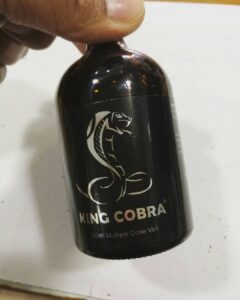
For multi-action amino acid blends designed to optimize blood flow dynamics, explore the Official King Cobra 100ml Ordering Hub.
-
Support structural repair and systemic health by browsing our verified therapeutic lines on the Tacoma Vet Meds Home Delivery Page.
Accredited Regulatory and Clinical References
For ongoing professional education and validation, cross-reference these global racing standards:
-
Review international drug testing and clearance thresholds via the International Federation of Horseracing Authorities (IFHA) Medication Regulations.
-
Examine veterinary research on managing EIPH through the American Association of Equine Practitioners (AAEP) Research Center.
Summary: Protecting the Pulmonic System for Long-Term Racing Success
Successfully preventing EIPH requires looking beyond immediate surface symptoms to manage the underlying cardiovascular pressures that cause bleeding. By understanding the mechanical limits of the blood-gas barrier and using targeted vasodilators and lactic acid buffers. Trainers can effectively protect their animals from high-pressure lung strain.
Safeguarding the respiratory health of your racehorses and camels ensures they can run comfortably at maximum stride length, maintain their finishing speed, and recover quickly for long-term racing success.

Top rated
-
 Buy HYGETROPIN 100iu
$130.00
Buy HYGETROPIN 100iu
$130.00
-
 Buy Ascorbate 100mg
$60.00
Buy Ascorbate 100mg
$60.00
-
 Biosal injection
$40.00
Biosal injection
$40.00
-
 Boldenone For Horses
$45.00
Boldenone For Horses
$45.00
-
 tussionex cough syrup
$230.00
tussionex cough syrup
$230.00