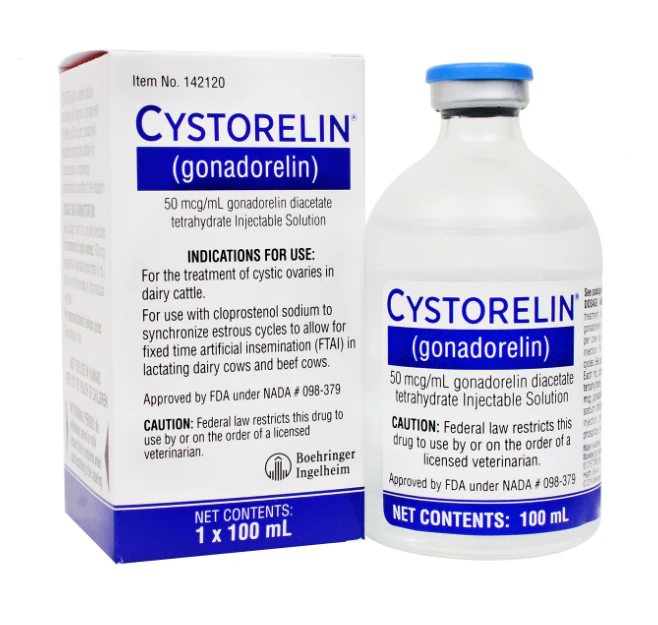
Cystorelin for cows
Original price was: $60.00.$50.00Current price is: $50.00.
Cystorelin for cows is a highly potent, prescription veterinary hormone injection used widely in dairy and beef cattle management. It contains gonadorelin diacetate tetrahydrate, which is a synthetic version of the naturally occurring Gonadotropin-Releasing Hormone (GnRH).
Cystorelin is a cornerstone of modern cattle reproduction, used by veterinarians and herd managers to treat specific ovarian disorders and to anchor synchronized breeding protocols.
The Mechanism: How It Works
Cystorelin acts directly on the anterior pituitary gland in the cow’s brain. When injected, it triggers a rapid release of two essential reproductive hormones:
-
Luteinizing Hormone (LH)
-
Follicle-Stimulating Hormone (FSH)
The sudden surge of LH causes a dominant ovarian follicle to mature rapidly and either rupture (ovulate) or luteinize (form a stable corpus luteum). This resets the cow’s ovarian cycle, allowing her to return to regular heat cycles or prepare for successful pregnancy.
Primary Indications and Uses of Cystorelin for cows
1. Treatment of Ovarian Follicular Cysts
Cows with follicular cysts fail to ovulate normally. Instead, these fluid-filled structures persist on the ovaries, causing the cow to either stay in a constant state of irregular heat (nymphomania) or stop cycling altogether (anestrus). Cystorelin forces these cysts to luteinize, effectively clearing the blockage so the cow can restart a normal estrus cycle.
2. Synchronization Strategies (Ovsynch Protocols)
In large dairy and beef operations, waiting for cows to naturally show signs of heat can be labor-intensive and inefficient. Cystorelin is heavily utilized as the primary anchor in timed Artificial Insemination (AI) programs like Ovsynch.
[TYPICAL OVSYNCH TIMELINE]
Day 0: Inject Cystorelin (Resets follicular growth)
Day 7: Inject Prostaglandin (Clears the old Corpus Luteum)
Day 9: Inject Second Cystorelin (Forces a predictable ovulation)
Day 10: Perform Timed Artificial Insemination (AI)
Standard Dosage and Administration
-
Route of Administration: Intramuscular (IM) injection.
-
Standard Therapeutic Dose: 2 mL per cow (which delivers 100 micrograms of gonadorelin).
-
Injection Site: Deep into the muscle of the neck or hindquarters using a clean, sterile needle to prevent abscesses.
Critical Handling and Herd Management Rules
1. Keep It Cool
Store Cystorelin consistently under refrigeration between 2 degrees and 8 degrees Celsius. Never allow the vials to freeze, and do not leave them sitting on a hot tractor dashboard or in direct sunlight during herd checks, as excessive heat will rapidly degrade the hormone proteins.
2. Strict Meat and Milk Clearances
One of the greatest advantages of Cystorelin in commercial dairy and beef production is its safety profile regarding human food production. Because it is a natural-mimicking hormone that metabolizes incredibly fast, there is zero milk withhold time and zero meat withdrawal days required when used according to the label.
3. Maintain Herd Vitality and Stress Management
Hormonal synchronization protocols only yield high conception rates if the cows are in excellent metabolic health. High stress, poor body condition scores, or lingering nutrient deficiencies will cause the brain to ignore GnRH signals.
To maximize your breeding success, ensure cows are backed by a solid nutritional baseline and a robust post-farrowing or post-milking recovery protocol—such as supplying water-soluble vitamins, minerals, and probiotics to support full metabolic vitality before starting a sync program.
Frequently Asked Questions (FAQ)
1. Will Cystorelin cause an abortion if accidentally given to a pregnant cow?
No. Unlike prostaglandins (which destroy the corpus luteum maintaining a pregnancy), Cystorelin stimulates the development or luteinization of follicles. If given to a pregnant cow, it typically will not disrupt an established pregnancy. However, accidental hormone injections should always be avoided through proper herd marking.
2. How long after a Cystorelin injection for a cyst should I expect the cow to come into heat?
Following an injection for a follicular cyst, the tissue usually takes about 10 to 14 days to fully luteinize and reset. Most cows will return to a normal, fertile heat cycle approximately 18 to 23 days after the initial treatment.
3. Can I use Cystorelin at the exact same time as a prostaglandin injection in the same syringe?
No. Never mix different reproductive hormones or medications inside the same syringe. Combining them can alter the pH, cause chemical binding, and completely deactivate the delicate hormones. They must always be given as separate injections at their designated intervals in the protocol. Cystorelin for cows
Related products
-
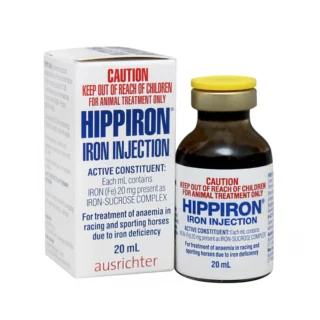
Buy Hipiron for Horses Online
Original price was: $60.00.$50.00Current price is: $50.00.Add to cartPurchase Hipiron for horses online and explore the ideal combination of style, quality, and performance with our latest offering at Tacomavetmeds. This product is meticulously designed to enhance your equine experience, consistently delivering exceptional results you can trust every day.
-
MV Chinfield Plus Fuerte 50ml
Original price was: $40.00.$35.00Current price is: $35.00.Add to cartHigh-Potency Multivitamin Injection for Livestock & Performance Animals MV Chinfield Plus Fuerte 50ml is a powerful injectable multivitamin supplement designed to restore, maintain, and enhance the health and performance of livestock and working animals. Formulated with an advanced blend of essential vitamins and minerals, this product is ideal for preventing deficiencies, supporting immune function, boosting …


Top rated products
-
 Buy Burnabol 1ml Injection: Uses, Benefits, Dosage, Side Effects & Precautions
Original price was: $60.00.$50.00Current price is: $50.00.
Buy Burnabol 1ml Injection: Uses, Benefits, Dosage, Side Effects & Precautions
Original price was: $60.00.$50.00Current price is: $50.00.
-
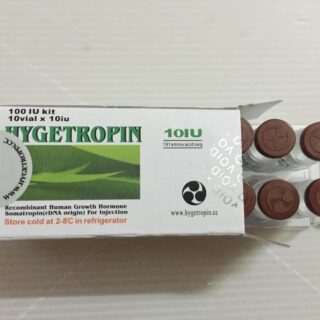 Buy HYGETROPIN 100iu
$130.00
Buy HYGETROPIN 100iu
$130.00
-
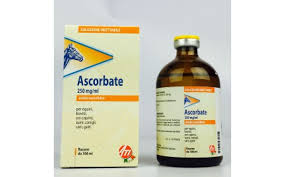 Buy Ascorbate 100mg
$60.00
Buy Ascorbate 100mg
$60.00
-
 Biosal injection
$40.00
Biosal injection
$40.00
-
 Boldenone For Horses
$45.00
Boldenone For Horses
$45.00
On Sale
-
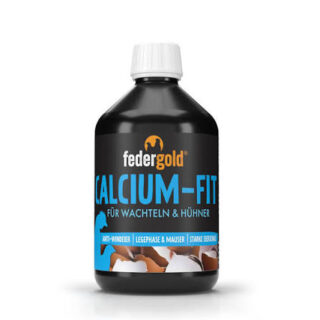 Federgold Calcium-Fit 500ml
Original price was: $25.00.$20.00Current price is: $20.00.
Federgold Calcium-Fit 500ml
Original price was: $25.00.$20.00Current price is: $20.00.
-
 De Patagoon Soft Acid IV+ For Sale Online
Original price was: $50.00.$40.00Current price is: $40.00.
De Patagoon Soft Acid IV+ For Sale Online
Original price was: $50.00.$40.00Current price is: $40.00.
-
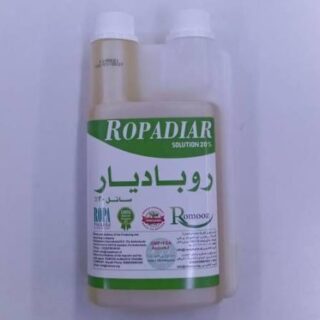 Buy ropadiar solution 20%
Original price was: $120.00.$100.00Current price is: $100.00.
Buy ropadiar solution 20%
Original price was: $120.00.$100.00Current price is: $100.00.
-
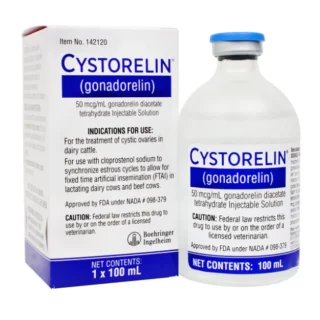 Cystorelin for cows
Original price was: $60.00.$50.00Current price is: $50.00.
Cystorelin for cows
Original price was: $60.00.$50.00Current price is: $50.00.
-
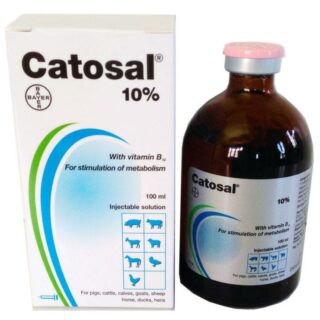 Catosal for horses
Original price was: $60.00.$50.00Current price is: $50.00.
Catosal for horses
Original price was: $60.00.$50.00Current price is: $50.00.