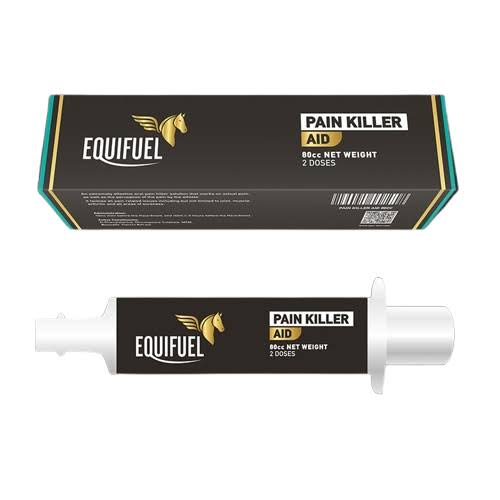
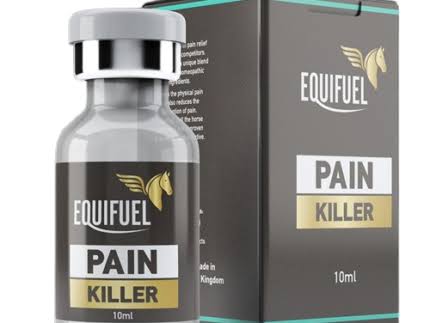
Equine Pain Killer Pastes: The Ultimate Performance Guide
Original price was: $150.00.$125.00Current price is: $125.00.
Introduction to Equifuel Pain Killer Pastes
Equifuel Pain Killer Pastes. Pain management is a critical part of equine healthcare. Whether a horse is recovering from an injury, suffering from arthritis, experiencing musculoskeletal inflammation, or dealing with conditions such as laminitis, veterinarians often prescribe equine pain killer pastes to help improve comfort and mobility in the horse.
Equine pain relief pastes are oral medications designed for easy administration and precise dosing. Many contain non-steroidal anti-inflammatory drugs (NSAIDs), which help reduce pain, inflammation, and fever. Common active ingredients include phenylbutazone, flunixin meglumine, and firocoxib, each serving different purposes depending on the horse’s condition.
This comprehensive guide explains how equine pain killer pastes work, their benefits, common ingredients, safety considerations, and frequently asked questions.
What Are Equifuel Pain Killer Pastes?
Equine pain killer pastes are veterinary medications formulated as oral syringes that deliver measured doses directly into a horse’s mouth. They are commonly used to manage:
- Joint pain
- Arthritis
- Lameness
- Soft tissue injuries
- Tendon and ligament inflammation
- Musculoskeletal disorders
- Laminitis
- Post-surgical discomfort
- Fever and inflammation
These products offer a convenient alternative to injections and are widely used in both performance and recreational horses.
The Ultimate Guide to Equifuel Pain Relief Pastes: Managing Muscle, Joint, and Performance Discomfort
The athletic demands placed on modern performance horses—whether competing in show jumping, barrel racing, dressage, or endurance tracks—rival those of elite human athletes. When a horse undergoes high-intensity training or extensive travel, its musculoskeletal system is subjected to profound oxidative stress, micro-tearing of muscle fibers, and joint friction.
How a trainer manages the resulting discomfort dictates not only the longevity of the horse’s career but its immediate physical well-being.
While systemic drugs have historically been the default answer for equine inflammation, the industry has shifted toward targeted, fast-acting oral delivery systems. At the forefront of this evolution are specialized performance recovery pastes.
This definitive guide breaks down the biological mechanisms of equine muscle fatigue, evaluates delivery formats, and examines how advanced formulations like Equifuel Pain Killer Pastes optimize recovery times without compromising the horse’s systemic health.
SECTION 1: Understanding Equine Pain — Acute vs. Chronic Soreness
To design an effective recovery or intervention protocol, an equine handler must distinguish between the two primary classifications of physical discomfort: acute performance soreness and chronic structural inflammation.
Acute Performance Soreness
Acute soreness is the direct physiological consequence of physical exertion. During a race or heavy training session, anaerobic glycolysis takes over when oxygen delivery to the muscles lags behind demand. This metabolic shift causes an accumulation of hydrogen ions and a temporary drop in cellular pH.
Concurrently, the eccentric contractions required for eccentric loading (such as stopping or turning sharply) cause microscopic micro-tearing within the skeletal muscle fibers (sarcomeres). This triggers Delayed Onset Muscle Soreness (DOMS), which typically peaks 24 to 48 hours post-exertion.
Signs of acute performance soreness include:
-
Shortened stride length or a sudden unwillingness to extend the gait.
-
Localized heat or sensitivity to palpation along the large muscle groups (lats, glutes, and loin).
-
Pinning of ears, tail swishing, or general irritability when being saddled or cinched.
Chronic Structural Inflammation
Chronic inflammation involves degenerative changes within the joint capsule, tendons, or ligaments. Conditions like osteoarthritis or chronic tendonitis result from the progressive breakdown of articular cartilage and the thickening of synovial membranes.
Left unmanaged, the cyclic release of pro-inflammatory cytokines (such as Interleukin-1 and Tumor Necrosis Factor-alpha) within the joint destroys healthy tissue, leading to permanent structural unsoundness.
SECTION 2: Delivery Architecture — Oral Pastes vs. Injectables vs. Powders
When choosing a recovery or anti-inflammatory compound, the delivery format determines the speed of onset, bioavailability, and overall stress experienced by the animal.
Oral Pastes: The Performance Standard
Oral pastes formulated with highly micronized active ingredients offer an optimal balance of speed and convenience. When administered via an oral syringe into the back of the horse’s mouth, the paste adheres to the mucous membranes of the oral cavity and upper digestive tract.
Because many performance ingredients can be absorbed trans-mucosally, they partially bypass first-pass hepatic metabolism. This allows the active recovery molecules to enter the bloodstream rapidly, delivering targeted relief within hours without requiring specialized veterinary administration.
Injectables (Intravenous / Intramuscular)
While intravenous (IV) or intramuscular (IM) injections offer maximum bioavailability and rapid action, they carry inherent clinical liabilities. Repeated needle placement can cause localized tracking, bruising, or infection at the injection site.
Furthermore, many competitive regulations heavily restrict or ban the administration of any injectable compound within 24 to 48 hours of a sanctioned event, making injectables highly impractical for real-time event management.
Feed-Through Powders
Top-dressed powders are highly useful for long-term maintenance, but are poorly suited for acute recovery. Powders must undergo complete digestion within the horse’s complex gastrointestinal tract, significantly delaying the onset of action.
Additionally, performance horses under stress frequently exhibit decreased appetites or become finicky eaters, leading to incomplete dosing if they leave top-dressed feed unconsumed.
SECTION 3: Deep Dive — What is Equifuel Pain Killer Paste?
Equifuel Pain Killer Paste is an advanced, high-bioavailability oral paste engineered to target performance-induced muscle soreness, joint inflammation, and metabolic fatigue in athletic horses.
Unlike single-molecule isolates, Equifuel utilizes a synergistic multi-pathway matrix that addresses both the structural and metabolic triggers of equine physical discomfort.
Detailed Ingredient Breakdown & Mechanisms of Action
1. Advanced Botanical Anti-Inflammatories (Natural COX-2 Inhibitors):
Equifuel incorporates standardized, concentrated extracts of Boswellia Serrata and Curcumin complexed with specialized lipids to optimize absorption.
Unlike traditional pharmaceuticals that block all cyclooxygenase pathways, these targeted botanical extracts selectively downregulate the COX-2 enzyme (which drives inflammatory prostaglandins) while leaving the protective COX-1 enzyme (which maintains the gastric lining) intact. This provides substantial relief from tissue throbbing and structural soreness without risking gastrointestinal ulceration.
2. Branched-Chain Amino Acid (BCAA) Core:
The formulation contains a highly concentrated ratio of L-Leucine, L-Isoleucine, and L-Valine. These essential amino acids are absorbed directly into the skeletal muscle tissue during the critical post-exertion recovery window.
They stimulate mammalian target of rapamycin (mTOR) signaling pathways, accelerating ribosomal translation of new proteins to repair micro-teared sarcomeres and reverse performance-induced catabolism.
3. Metabolic Waste Buffers & Cell Protectors:
Equifuel features highly bioavailable magnesium compounds alongside potent antioxidants like Vitamin E and Grape Seed Extract.
Magnesium relaxes contracted vascular smooth muscle cells, improving localized blood flow to flush out residual hydrogen ions and cellular waste. Meanwhile, the antioxidant complex neutralizes the massive influx of free radicals generated during intense aerobic exercise, protecting mitochondrial membranes from oxidative damage.
SECTION 4: Comparative Analysis — Equifuel vs. Traditional NSAIDs
For decades, non-steroidal anti-inflammatory drugs (NSAIDs) like Phenylbutazone (“Bute”) and Flunixin Meglumine (“Banamine”) have been used to manage equine pain. While highly effective at blocking inflammatory pathways, their systemic side effects present significant clinical drawbacks for elite equine athletes.
| Evaluation Metric | Equifuel Pain Killer Paste | Traditional NSAIDs (e.g., Phenylbutazone) |
| Primary Mechanism | Selective COX-2 mitigation, cellular repair, and metabolic waste clearance. | Non-selective inhibition of both COX-1 and COX-2 enzymes. |
| Gastric Ulceration Risk | Zero. Does not suppress protective prostaglandins in the stomach lining. | High. Prolonged use disrupts the mucosal barrier, leading to Equine Gastric Ulcer Syndrome (EGUS). |
| Renal Safety Profile | Completely safe for fully hydrated performance horses under metabolic stress. | Can compromise renal papillary blood flow, leading to kidney strain during periods of dehydration. |
| Competition Clean-Sport Compliance | Formulated using approved performance nutrients and natural botanicals. | Subject to strict withdrawal periods and detection times under FEI and HISA regulations. |
| Skeletal Repair Dynamics | Supports protein synthesis and cell migration for active tissue rebuilding. | Can suppress standard bone remodeling and proteoglycan synthesis over long-term use. |
SECTION 5: Administration, Timing, and Optimization Protocols
To maximize the therapeutic efficacy of Equifuel Pain Killer Paste, administration schedules must be precisely synchronized with the horse’s exertion and travel timelines.
The Competition and Strenuous Training Protocol
Practical Administration Tip
Before depressing the oral syringe, ensure the horse’s mouth is completely free of feed or forage debris. If necessary, gently flush the mouth with a small amount of water via a plain syringe. Raise the horse’s head slightly, insert the paste syringe into the interdental space (the gap between the front and back teeth), depress the plunger fully, and hold the head elevated for 5 seconds to guarantee complete swallowing.
Frequently Asked Questions
What is the best pain relief paste for horses?
The best option depends on the horse’s condition, medical history, and treatment goals. Veterinarians commonly prescribe phenylbutazone, flunixin meglumine, or firocoxib depending on the situation.
How quickly do equine pain pastes work?
Many NSAID pastes begin working within a few hours, although full anti-inflammatory effects may take longer.
Can pain relief paste be used daily?
Some products are used daily under veterinary supervision, while others are intended for short-term treatment only.
Are equine pain killer pastes safe?
When used according to veterinary instructions, they are generally considered safe. Incorrect dosing or prolonged use may increase the risk of side effects.
Can horses develop side effects?
Yes. Potential side effects include digestive upset, ulcers, kidney issues, and reduced appetite.
Do I need a prescription?
Requirements vary by country and product. Many equine NSAIDs require veterinary authorization.
Can pain killer paste improve performance?
These medications are intended for legitimate pain management and medical treatment, not performance enhancement. Competition rules may restrict their use.
How should equine pain paste be stored?
Follow the manufacturer’s storage instructions. Most products should be stored in a cool, dry location away from direct sunlight.
Conclusion
Equifuel pain killer pastes play an important role in modern horse healthcare by helping manage pain, inflammation, and mobility issues. Whether treating arthritis, laminitis, injury-related discomfort, or other musculoskeletal conditions, these medications can significantly improve a horse’s comfort and quality of life when used responsibly.
Successful pain management requires accurate diagnosis, proper dosing, regular veterinary oversight, and a comprehensive treatment plan that addresses both symptoms and underlying causes. Equifuel Pain Killer Pastes
Related products
-
Actavis Promethazine Codeïne
$230.00Add to cartAdenosine Monophosphate (AMP) Injection for Enhanced Performance Actavis Promethazine Codeine is a prescription medication combining promethazine, an antihistamine, and codeine, an opioid cough suppressant. This formulation is primarily use to treat symptoms related to colds, allergies, or respiratory infections, such as coughing, sneezing, runny nose, and associated discomfort. While it is effective in managing these …
-
Vetoquinol Derma Gel 100ml
Original price was: $50.00.$40.00Current price is: $40.00.Add to cartVetoquinol Derma Gel 100ml: Complete Guide to Uses, Benefits, Ingredients, Directions, and FAQs Introduction to Vetoquinol Derma Gel 100ml Vetoquinol Derma Gel 100ml is a veterinary topical hydrogel formulated to support the natural healing process of the skin in animals. Manufactured by Vetoquinol. Derma Gel is widely used for horses, dogs, cats, and other animals to …
-
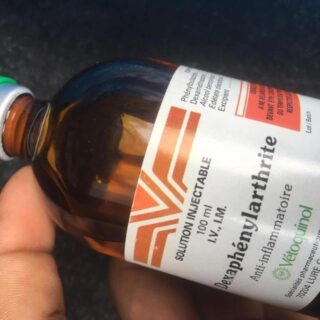
Buy Dexaphenylarthrite 100ml Online – Vetoquinol
$50.00Add to cartBuy Dexaphenylarthrite 100ml Online – Vetoquinol Buy Dexaphenylarthrite 100ml and elevate your equine’s performance to new heights. When you otder it online from us, you gain access to a premium solution crafted to enhance your horse’s well-being and optimize its athletic potential. As a trusted supplier of performance supplements for equine sports, we prioritize quality, …
-
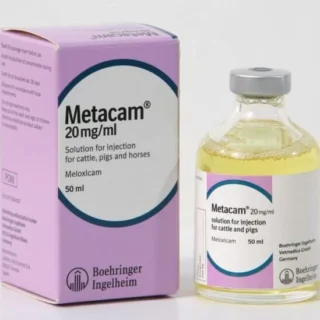
Metacam injection for dogs
$80.00Add to cartMetacam Injection for Dogs
Meloxicam 5 mg/mL Solution for Pain and Inflammation Management
Metacam Injection is a non-steroidal anti-inflammatory drug (NSAID) specially formulated for dogs. It is widely used by veterinarians to manage pain and inflammation associated with osteoarthritis and other musculoskeletal conditions. This injectable solution ensures precise dosing, providing fast relief and improving your dog’s mobility and comfort.

Top rated products
-
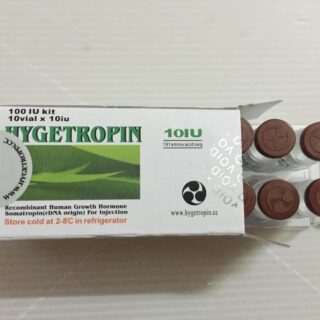 Buy HYGETROPIN 100iu
$130.00
Buy HYGETROPIN 100iu
$130.00
-
 Buy Ascorbate 100mg
$60.00
Buy Ascorbate 100mg
$60.00
-
 Biosal injection
$40.00
Biosal injection
$40.00
-
 Boldenone For Horses
$45.00
Boldenone For Horses
$45.00
-
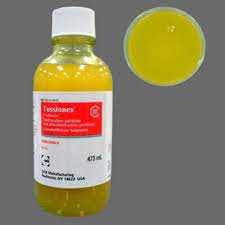 tussionex cough syrup
$230.00
tussionex cough syrup
$230.00
On Sale
-
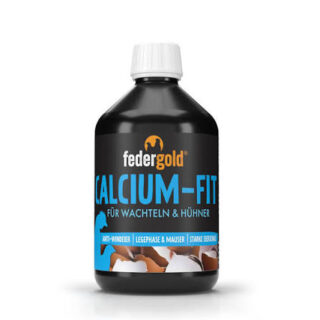 Federgold Calcium-Fit 500ml
Original price was: $25.00.$20.00Current price is: $20.00.
Federgold Calcium-Fit 500ml
Original price was: $25.00.$20.00Current price is: $20.00.
-
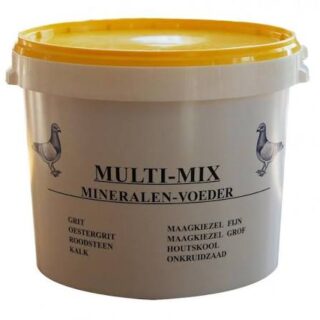 De Patagoon Soft Acid IV+ For Sale Online
Original price was: $50.00.$40.00Current price is: $40.00.
De Patagoon Soft Acid IV+ For Sale Online
Original price was: $50.00.$40.00Current price is: $40.00.
-
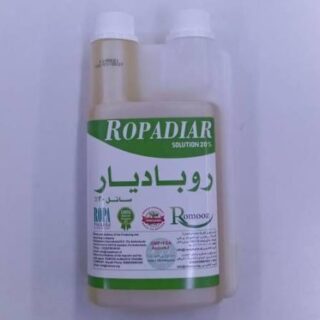 Buy ropadiar solution 20%
Original price was: $120.00.$100.00Current price is: $100.00.
Buy ropadiar solution 20%
Original price was: $120.00.$100.00Current price is: $100.00.
-
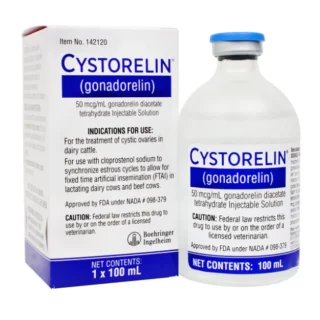 Cystorelin for cows
Original price was: $60.00.$50.00Current price is: $50.00.
Cystorelin for cows
Original price was: $60.00.$50.00Current price is: $50.00.
-
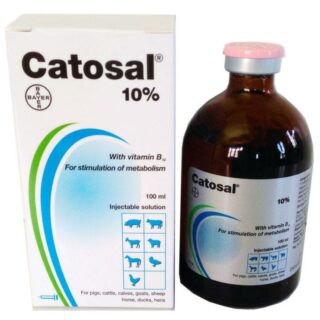 Catosal for horses
Original price was: $60.00.$50.00Current price is: $50.00.
Catosal for horses
Original price was: $60.00.$50.00Current price is: $50.00.