Ittp Powder
Original price was: $1,100.00.$1,000.00Current price is: $1,000.00.
Buy Ittp Powder Online
Are you looking to buy or order Ittp powder online ?, worry no more because TACOMVETMEDS got you covered for this product. Stay at the comfort of your home and place your order which will be delivered direct to your provided address. SHOP NOW!
ITPP Powder (Myo‑Inositol Trispyrophosphate)
This powder, commonly referring to myo‑inositol trispyrophosphate, is a laboratory and research compound that has attracted scientific attention because of its relationship with oxygen delivery and hemoglobin modulation. Researchers studying hypoxia, exercise physiology, oxygen transport, tumor environments, and cardiovascular function have explored the compound in preclinical settings for years.
Unlike common nutritional supplements, ITPP is generally discussed in research contexts rather than mainstream wellness applications. Scientific literature frequently describes it as an allosteric effector of hemoglobin capable of influencing oxygen release dynamics in red blood cells. This property has made it a subject of interest in several experimental areas including endurance physiology, hypoxia‑related disease mechanisms, tumor oxygenation research, and metabolic studies.
Because of the increasing visibility of laboratory compounds online, many people search for educational information regarding ITPP powder, its chemical structure, research background, physical properties, mechanisms, and scientific relevance. This guide is designed to provide a detailed educational overview of ITPP powder while maintaining a neutral and informational approach.
ITPP is not widely approved for therapeutic human use, and many suppliers clearly designate it for laboratory or research use only. Any experimental work involving this compound should be conducted by qualified professionals operating within applicable laws, regulations, institutional oversight standards, and ethical research frameworks.
What Is ITPP?
ITPP stands for myo‑inositol trispyrophosphate. It belongs to the broader family of inositol phosphates, which are molecules involved in cellular signaling and phosphate chemistry. The compound is often described as a membrane‑permeable allosteric effector of hemoglobin.
In simplified scientific terms, researchers study ITPP because it appears capable of modifying how readily hemoglobin releases oxygen into tissues. Hemoglobin is the oxygen‑carrying protein inside red blood cells. Normally, oxygen binds to hemoglobin in the lungs and is released into tissues where oxygen demand exists.
According to scientific descriptions, ITPP may reduce the oxygen‑binding affinity of hemoglobin, potentially allowing oxygen to dissociate more efficiently under certain physiological conditions. This mechanism is one reason the compound has been investigated in experimental models associated with hypoxia.
Hypoxia refers to reduced oxygen availability within tissues. Tumor microenvironments, cardiovascular dysfunction, intense physical exertion, and ischemic conditions are examples of situations where oxygen delivery dynamics may become especially important.
Researchers have explored whether modulating oxygen release could influence:
- Exercise performance models
- Tissue oxygenation
- Cellular metabolism
- Tumor hypoxia
- Cardiovascular efficiency
- Endurance physiology
- Recovery dynamics in experimental systems
Despite the interest surrounding these areas, ITPP remains primarily a research compound and should not be confused with approved medical therapies.
Chemical Identity and Structure
Scientific references commonly describe ITPP using the following identifiers:
- Compound Name: myo‑Inositol Trispyrophosphate
- Abbreviation: ITPP
- Common Form: ITPP Hexasodium Salt
- Chemical Family: Inositol phosphate derivative
Several chemical databases and research suppliers list molecular identifiers and CAS references associated with ITPP salts and related forms. Research suppliers frequently classify it as a laboratory chemical intended for scientific investigation.
The compound’s heavily phosphorylated structure contributes to its interaction with biological systems. Its phosphate groups play a role in the molecule’s biochemical properties and water solubility.
Researchers studying oxygen transport have focused on how the compound interacts indirectly with hemoglobin behavior inside red blood cells.
Historical Scientific Interest in ITPP
Interest in ITPP expanded through experimental work involving oxygen transport and hypoxia research. Scientists investigating metabolic efficiency and oxygen release mechanisms sought compounds capable of improving oxygen delivery in low‑oxygen environments.
One major area of interest involved tumor biology. Tumor tissues frequently exhibit hypoxic microenvironments because rapidly growing cells can outpace blood supply development. Hypoxia in tumors has been associated with:
- Aggressive tumor behavior
- Reduced sensitivity to certain therapies
- Altered metabolic signaling
- Angiogenesis stimulation
- Adaptation to oxygen‑poor conditions
Researchers explored whether improving tissue oxygenation could potentially alter aspects of tumor biology in preclinical settings.
Another area of study focused on endurance and exercise physiology. Since muscular activity depends heavily on oxygen availability, investigators explored whether compounds affecting oxygen release could influence physical performance markers in laboratory models.
ITPP also drew attention in anti‑doping discussions because substances affecting oxygen delivery have historically interested athletic enhancement communities. Sports authorities and anti‑doping organizations have monitored compounds that may influence oxygen transport or endurance performance.
However, scientific investigation does not necessarily imply safety, efficacy, or approval for human use.
How Researchers Describe the Mechanism of ITPP
Scientific literature commonly characterizes ITPP as an allosteric modifier of hemoglobin.
To understand this concept, it helps to review how hemoglobin functions.
Hemoglobin and Oxygen Transport
Hemoglobin is the protein responsible for carrying oxygen through the bloodstream. Oxygen binds to hemoglobin in the lungs and is released into tissues where oxygen concentration is lower.
The efficiency and timing of oxygen release are influenced by several factors including:
- pH
- Carbon dioxide concentration
- Temperature
- Metabolic demand
- Allosteric modulators
Allosteric effectors are molecules that alter protein behavior by binding at sites separate from the main active site.
Proposed Role of ITPP
Research suggests that ITPP may shift oxygen‑binding characteristics in a way that encourages oxygen release in tissues.
Researchers have explored whether this could:
- Improve oxygen availability in hypoxic tissues
- Influence endurance markers
- Affect metabolic adaptation
- Alter tissue oxygenation patterns
- Support oxygen release under experimental stress conditions
This proposed mechanism is the primary reason the compound has generated scientific attention.
ITPP and Hypoxia Research
Hypoxia research represents one of the most discussed scientific contexts involving ITPP.
Understanding Hypoxia
Hypoxia occurs when tissues receive insufficient oxygen relative to metabolic needs.
Potential causes include:
- Reduced blood flow
- Cardiovascular dysfunction
- Respiratory impairment
- Rapid cellular growth
- High altitude conditions
- Intense physical exertion
Cells adapt to hypoxia through molecular signaling pathways involving factors such as HIF‑1 alpha.
Researchers investigating hypoxia study how oxygen delivery influences:
- Cellular survival
- Metabolism
- Inflammation
- Tissue remodeling
- Angiogenesis
- Exercise tolerance
Why ITPP Drew Attention
Because ITPP may influence oxygen release from hemoglobin, scientists explored whether it could alter tissue oxygenation patterns in experimental settings.
Several studies examined:
- Tumor oxygenation
- Exercise models
- Cardiovascular function
- Oxygen utilization efficiency
- Metabolic adaptation
Although findings generated scientific interest, these investigations remain distinct from approved clinical applications.
Research Areas Associated with ITPP
1. Exercise Physiology Research
Researchers studying endurance physiology often investigate oxygen transport because oxygen availability strongly influences aerobic metabolism.
Experimental interest in ITPP emerged partly from questions surrounding:
- Exercise tolerance
- Endurance markers
- Oxygen utilization
- Aerobic efficiency
- Recovery dynamics
Some animal model studies explored whether oxygen delivery changes could influence performance under controlled conditions.
2. Cardiovascular Research
Cardiovascular research frequently examines oxygen delivery because tissues depend on efficient blood flow and oxygen exchange.
Scientists have explored whether modifying hemoglobin behavior might affect oxygen delivery efficiency under experimental conditions involving reduced cardiovascular performance.
3. Tumor Oxygenation Studies
Tumor hypoxia remains a major focus of cancer biology research.
Hypoxic tumor environments are associated with:
- Therapy resistance
- Metabolic adaptation
- Aggressive behavior
- Altered immune responses
Researchers investigated whether changing oxygen delivery characteristics could influence tumor microenvironments in preclinical studies.
4. Metabolic Research
Metabolism depends heavily on oxygen availability because oxygen supports aerobic energy production.
Experimental investigations into ITPP have examined:
- Oxygen utilization
- Cellular respiration
- Energy metabolism
- Tissue adaptation
5. Hemoglobin Modulation Research
Hemoglobin modulators represent a specialized area of biochemical research.
Scientists investigate compounds that alter oxygen affinity because these mechanisms may provide insights into:
- Oxygen transport physiology
- Hypoxia adaptation
- Red blood cell dynamics
- Tissue oxygenation processes
Physical Characteristics of ITPP Powder
Laboratory suppliers commonly describe ITPP powder as:
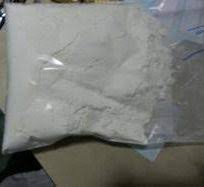
- White or off‑white powder
- Water soluble or moderately soluble depending on salt form
- Hygroscopic under certain conditions
- Sensitive to moisture exposure
Some suppliers recommend:
- Airtight storage
- Protection from humidity
- Temperature‑controlled conditions
- Light protection when applicable
Research laboratories generally follow strict handling protocols for chemical stability and contamination control.
Laboratory and Research Use Considerations
Many suppliers explicitly state that ITPP is intended for:
- Laboratory research
- Analytic
Related products
-
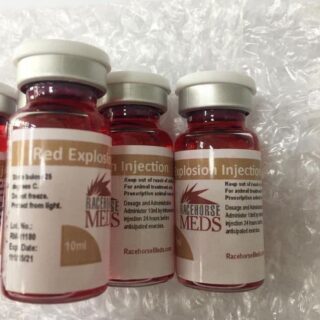
Buy Red Explosion for Horses
Original price was: $60.00.$50.00Current price is: $50.00.Add to cart-
Red Explosion Injection: A proprietary equine blood-building supplement providing vitamins and amino acids for horses.
-
Extreme Explosion: A performance-enhancing formula designed to increase oxygen delivery and muscle output in racehorses, dogs, and camels.
-
Other unrelated matches included product names like Red Explosion in powder coating or fishing bait—but those don’t appear horse-related
-
-
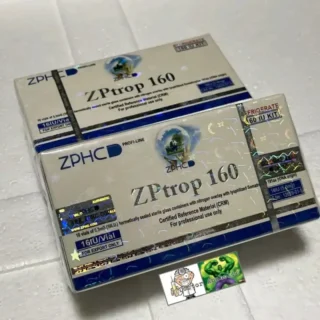
Buy Zptropin 100IU by ZPHC – Somatropin – 191 Amino Acid
$80.00Add to cartZptropin hgh Injection Buy Zptropin 100IU which is a synthetic human growth hormone (HGH) design to address growth hormone deficiencies in both children and adults. Each kit contains 10 vials, with each vial delivering 16 International Units (IU) of recombinant HGH, totaling 160 IU per kit. Composition and Mechanism of Action: The active ingredient in …
Buy Zptropin 100IU by ZPHC – Somatropin – 191 Amino AcidRead More
-
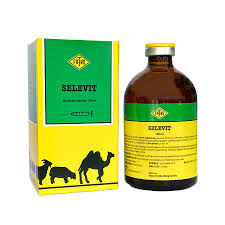
Buy Selevit 100ml
$50.00Add to cartEssential Antioxidant & Vitamin Supplement for Animals Buy Selevit 100ml is a veterinary supplement formulated to support animal health by providing essential selenium, vitamin E, and other key nutrients. These ingredients work together to boost immune function, enhance muscle performance, and prevent oxidative stress, making it particularly beneficial for livestock, horses, and pets. Key Benefits …
-
Tripart Paste 250 mL for Horses & Camels | Ultimate Muscle Energy
Original price was: $110.00.$100.00Current price is: $100.00.Add to cartTripart Paste (250 mL) – The Ultimate Performance, Energy, and Anti-Fatigue Formula for Equine and Camel Athletes Tripart Paste 250ml. In elite animal athletics, the difference between winning and losing is measured in milliseconds and millimeters. Whether you are campaigning racing camels across desert tracks, training Thoroughbreds for Group 1 fixtures, conditioning endurance horses for …
Tripart Paste 250 mL for Horses & Camels | Ultimate Muscle EnergyRead More
Top rated products
-
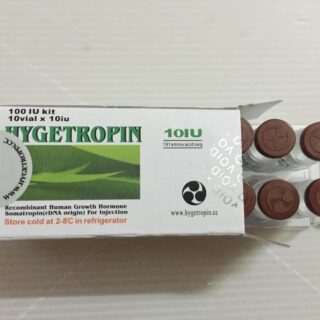 Buy HYGETROPIN 100iu
$130.00
Buy HYGETROPIN 100iu
$130.00
-
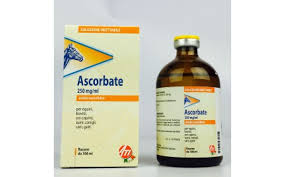 Buy Ascorbate 100mg
$60.00
Buy Ascorbate 100mg
$60.00
-
 Biosal injection
$40.00
Biosal injection
$40.00
-
 Boldenone For Horses
$45.00
Boldenone For Horses
$45.00
-
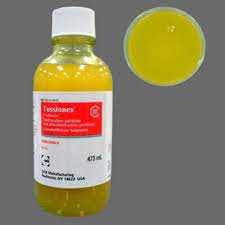 tussionex cough syrup
$230.00
tussionex cough syrup
$230.00
On Sale
-
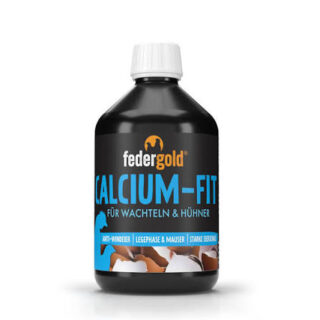 Federgold Calcium-Fit 500ml
Original price was: $25.00.$20.00Current price is: $20.00.
Federgold Calcium-Fit 500ml
Original price was: $25.00.$20.00Current price is: $20.00.
-
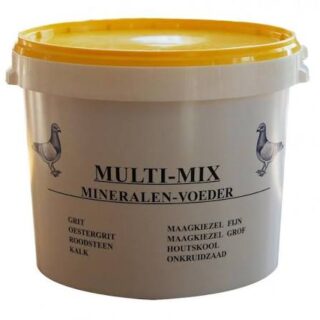 De Patagoon Soft Acid IV+ For Sale Online
Original price was: $50.00.$40.00Current price is: $40.00.
De Patagoon Soft Acid IV+ For Sale Online
Original price was: $50.00.$40.00Current price is: $40.00.
-
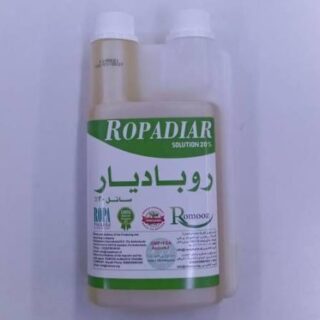 Buy ropadiar solution 20%
Original price was: $120.00.$100.00Current price is: $100.00.
Buy ropadiar solution 20%
Original price was: $120.00.$100.00Current price is: $100.00.
-
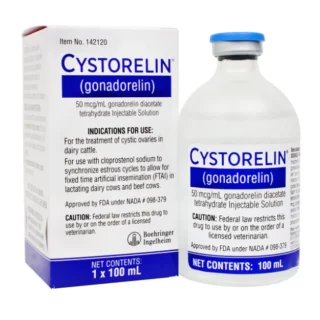 Cystorelin for cows
Original price was: $60.00.$50.00Current price is: $50.00.
Cystorelin for cows
Original price was: $60.00.$50.00Current price is: $50.00.
-
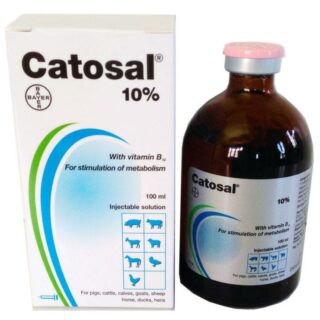 Catosal for horses
Original price was: $60.00.$50.00Current price is: $50.00.
Catosal for horses
Original price was: $60.00.$50.00Current price is: $50.00.