Phenylbutazone for Horses
$50.00
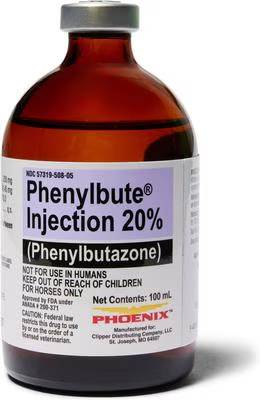
commonly known as Bute, is one of the most widely used non-steroidal anti-inflammatory drugs (NSAIDs) in horses. It is primarily prescribed by veterinarians to reduce pain, inflammation, and fever associated with musculoskeletal conditions.
Phenylbutazone for horses commonly known in the equine industry as Bute is one of the most widely used non-steroidal anti-inflammatory drugs (NSAIDs) in equine medicine. It is highly effective at managing musculoskeletal pain, reducing fever, and controlling inflammation associated with bone, joint, and soft tissue injuries.
1. Primary Indications and Clinical Uses of Phenylbutazone for horses
Phenylbutazone is primarily prescribed for performance and pleasure horses to address conditions such as:
-
Musculoskeletal Pain: Lameness, osteoarthritis, tendonitis, and joint sprains.
-
Acute Trauma: Soft tissue swelling, muscle strains, and bruising from training or accidents.
-
Laminitis Support: Helping to control the intense inflammation and pain within the sensitive laminae of the hoof.
-
Post-Surgical Management: Reducing pain and inflammation during post-operative recovery.
2. Forms and Administration Protocols
Bute is available in several formulations to suit different training yard or veterinary needs:
Oral Paste or Powder
-
Best Used For: Daily maintenance or ongoing recovery programs managed by trainers and owners.
-
Administration: Added directly to the daily grain ration (powder) or administered directly into the horse’s mouth via a dosing syringe (paste).
-
Tip: If using powder, adding a small amount of water or molasses to the feed helps the medication stick to the grain and ensures the horse consumes the entire dose.
Intravenous (IV) Injection
-
Best Used For: Acute injuries or severe pain where rapid relief is required.
-
Administration: Administered strictly via slow intravenous injection into the jugular vein, typically by a licensed veterinarian.
-
Warning: Phenylbutazone is highly irritating to tissues. It must never be given intramuscularly (IM) or subcutaneously (SC), as accidental leakage outside the vein will cause severe tissue death, necrosis, and painful abscesses.
3. Standard Dosage Frameworks
Exact dosing depends on the horse’s body weight and the severity of the condition under a veterinarian’s direction.
-
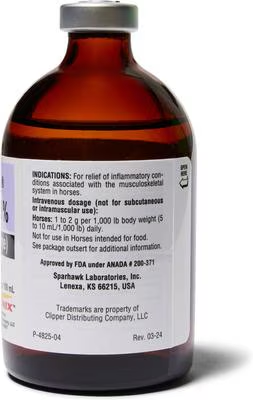
Standard Initial Dose: 2 to 4 grams per 1,000 lbs (approx. 450 kg) of body weight daily. This is often split into two smaller daily doses given 12 hours apart.
-
Step-Down Maintenance Dose: Because of the risks associated with long-term use, practitioners aim for the lowest effective dose. This typically involves reducing the amount to 1 to 2 grams daily once the acute pain is under control.
-
Duration Limit: It is generally recommended not to exceed 5 consecutive days of high-dose therapy without a veterinary re-evaluation.
4. Important Side Effects and Safety Risks
While Bute is an exceptionally effective pain reliever, improper usage or prolonged high doses block the body’s natural protective prostaglandins, which can lead to serious health complications:
Gastric and Colonic Ulcers
Bute strips away the protective mucus lining of the gastrointestinal tract. Extended use frequently causes Equine Gastric Ulcer Syndrome (EGUS) or Right Dorsal Colitis (ulceration in the large intestine), marked by a sudden loss of appetite, weight loss, lethargy, or mild colic symptoms.
Kidney Damage (Renal Papillary Necrosis)
This risk increases dramatically if a horse is dehydrate, sweating heavily, or suffering from heat stress. Never administer Phenylbutazone to a dehydrated horse, as it restricts blood flow to the kidneys, potentially causing permanent organ damage.
The Competition Warning
Phenylbutazone is heavily regulate by major equestrian and racing organizations (such as the FEI and local racing commissions). Because it masks lameness, strict withdrawal times apply before an official race or show to avoid a positive drug test.
5. Strategic Recovery Pairing
Because Phenylbutazone can take a heavy toll on the digestive tract and overall systemic metabolism, experienced caretakers frequently pair the conclusion of a Bute course with targeted recovery protocols:
-
Digestive Protection: Administering a stomach protectant (like omeprazole) during treatment helps safeguard the gastric lining.
-
Microflora Reset: Once the Bute regimen is complete, following up with a high-potency oral probiotic and electrolyte supplement (such as Vitmin Pro) helps restabilize the gut microbiome, corrects any minor dehydration, and improves nutrient absorption to help the horse bounce back quickly.
Learn More
For additional information about equine medications and horse health, you can visit Tacoma Vet Meds, which provides educational resources related to veterinary care and equine wellness.
Related products
-
alflutop injection
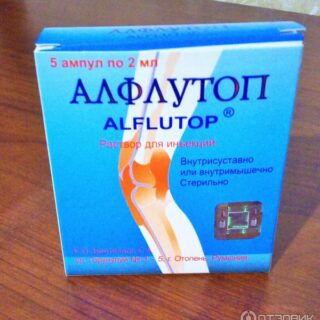
$50.00Add to cartAlflutop Injection for Osteoarthrosis: Pain Relief and Joint Function Improvement Alflutop Injection is a specialized treatment designed for patients with osteoarthrosis (OA) of the knee or hip joints. This potent medication is administered either intramuscularly or intramuscularly combined with intraarticular injections, depending on the type of osteoarthrosis being treated. Alflutop has been extensively studied and …
-
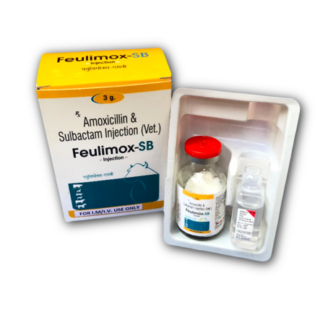
Amoxicillin and Sulbactam Injection
$80.00Add to cartBroad-Spectrum Antibiotic Amoxicillin and Sulbactam injection is a potent antibiotic formulation indicated for the treatment of bacterial infections across various anatomical sites. Combining the bactericidal action of amoxicillin with the beta-lactamase inhibitor sulbactam, this medication offers broad-spectrum coverage against a range of pathogens responsible for middle ear infections, strep throat, pneumonia, and more. Key Features: …
-
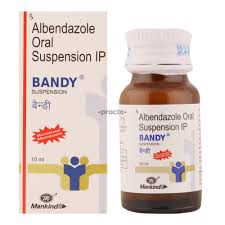
ALBENDAZOLE ORAL
$45.00Add to cartAlbendazole Oral: Versatile Treatment for Parasitic Worm Infestations Buy Albendazole Oral Online. It also known as albendazolum, is a highly effective medication prescribed for the treatment of various parasitic worm infestations. With its broad spectrum of action, this oral medication offers relief from a range of parasitic infections, making it an invaluable tool in combating …
-
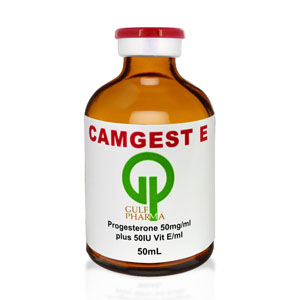
Buy Camgest E 50ml Online
$50.00Add to cartCamgest E: Reproductive Support for Racing Camels and Horses Buy Camgest E 50ml Online is a specialized formulation designed for reproductive work in racing camels and horses. Developed to deliver excellent results in the synchronization of cycles for matching recipient and donor female camels and horses in embryo transfer programs. Camgest E offers comprehensive support …
Top rated products
-
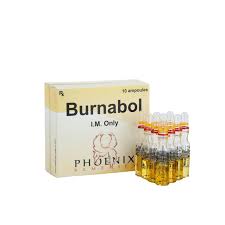 Buy Burnabol 1ml Injection: Uses, Benefits, Dosage, Side Effects & Precautions
Original price was: $60.00.$50.00Current price is: $50.00.
Buy Burnabol 1ml Injection: Uses, Benefits, Dosage, Side Effects & Precautions
Original price was: $60.00.$50.00Current price is: $50.00.
-
 Buy HYGETROPIN 100iu
$130.00
Buy HYGETROPIN 100iu
$130.00
-
 Buy Ascorbate 100mg
$60.00
Buy Ascorbate 100mg
$60.00
-
 Biosal injection
$40.00
Biosal injection
$40.00
-
 Boldenone For Horses
$45.00
Boldenone For Horses
$45.00
On Sale
-
 Federgold Calcium-Fit 500ml
Original price was: $25.00.$20.00Current price is: $20.00.
Federgold Calcium-Fit 500ml
Original price was: $25.00.$20.00Current price is: $20.00.
-
 De Patagoon Soft Acid IV+ For Sale Online
Original price was: $50.00.$40.00Current price is: $40.00.
De Patagoon Soft Acid IV+ For Sale Online
Original price was: $50.00.$40.00Current price is: $40.00.
-
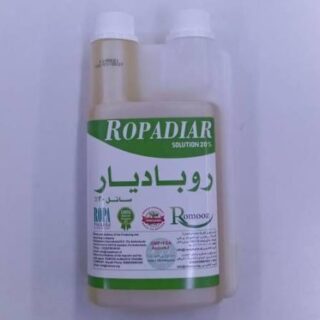 Buy ropadiar solution 20%
Original price was: $120.00.$100.00Current price is: $100.00.
Buy ropadiar solution 20%
Original price was: $120.00.$100.00Current price is: $100.00.
-
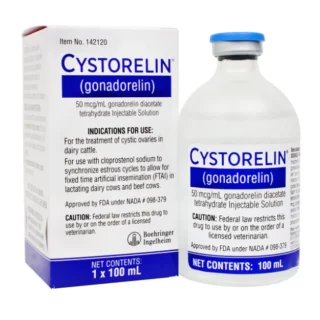 Cystorelin for cows
Original price was: $60.00.$50.00Current price is: $50.00.
Cystorelin for cows
Original price was: $60.00.$50.00Current price is: $50.00.
-
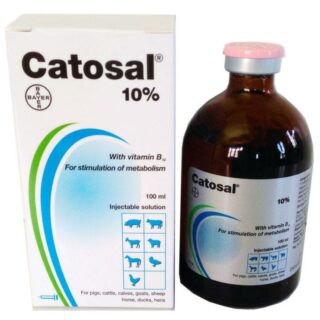 Catosal for horses
Original price was: $60.00.$50.00Current price is: $50.00.
Catosal for horses
Original price was: $60.00.$50.00Current price is: $50.00.