The Ultimate Guide to Arthropen Vet 250 for Horses: Uses, Benefits, and Safety
Maintaining optimal joint health is one of the most critical aspects of equine care. Whether you manage a high-performance athlete competing in show jumping, a hard-working ranch horse, or a beloved senior companion enjoying retirement, joint wear and tear is an inevitable reality.
When cartilage degrades and inflammation sets in, equine athletes suffer from reduced mobility, pain, and decreased performance. Among the various veterinary interventions available to combat osteoarthritis and degenerative joint disease (DJD) in horses, Arthropen Vet 250 has emerged as a highly regarded treatment.
This comprehensive pillar guide covers everything you need to know about Arthropen Vet 250: what it is, how it works at a cellular level, its primary indications, correct dosage protocols, potential side effects, and how it compares to other joint therapies on the market.
What Is Arthropen Vet 250?
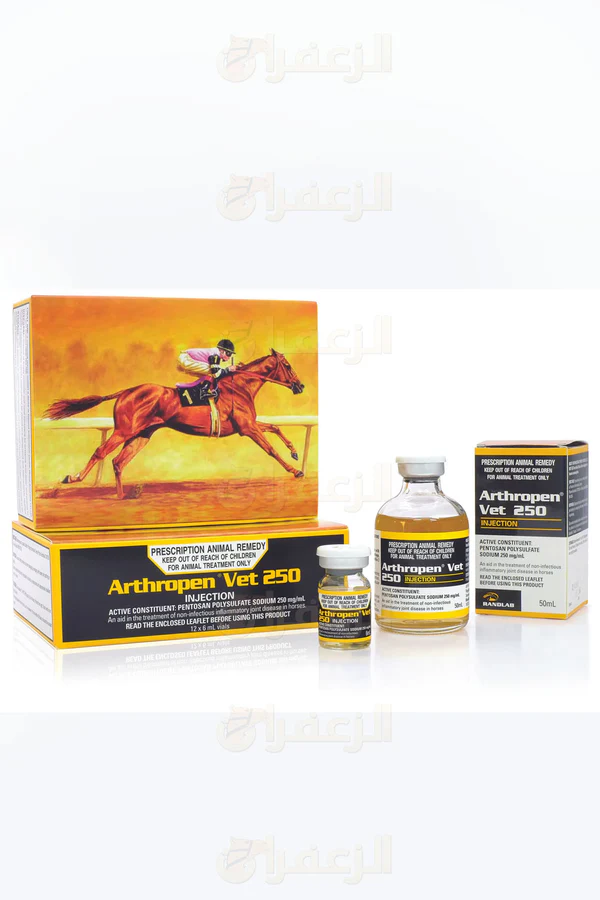
Arthropen Vet 250 is a sterile, injectable veterinary medication formulated to treat and manage non-infectious inflammatory joint disease, osteoarthritis, and degenerative joint disease (DJD) in horses.
The active pharmaceutical ingredient in Arthropen Vet 250 is Pentosan Polysulfate Sodium (PPS), concentrated at 250 mg/mL.
Unlike simple pain relievers or non-steroidal anti-inflammatory drugs (NSAIDs) that merely mask symptoms, Arthropen Vet 250 belongs to a class of medications known as Disease-Modifying Osteoarthritis Drugs (DMOADs). This means it actively works to alter the underlying disease process within the joint, protecting existing cartilage and encouraging the body to repair itself.
Understanding Pentosan Polysulfate Sodium (PPS)
Pentosan Polysulfate Sodium is a semi-synthetic polymer derived from beechwood hemicellulose. It is a highly sulfated linear polysaccharide that structurally resembles natural glycosaminoglycans (GAGs) found within mammalian cartilage and joint fluid. Because of its unique molecular structure, it possesses multi-modal anti-inflammatory, anti-thrombotic, and tissue-regenerative properties when introduced into an equine joint ecosystem.
The Anatomy of an Equine Joint and the Osteoarthritis Cycle
To appreciate how Arthropen Vet 250 works, it helps to understand the anatomy of a healthy equine joint and how osteoarthritis degrades it.
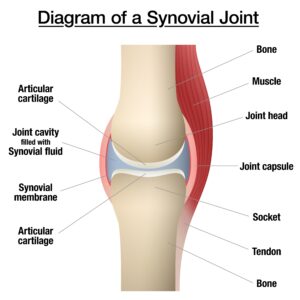
A typical moveable (synovial) joint consists of:
-
-
Articular Cartilage: A smooth, slippery layer of connective tissue covering the ends of the bones, acting as a shock absorber.
-
Synovial Membrane (Synovium): A soft tissue lining that produces synovial fluid.
-
Synovial Fluid: A viscous, lubricating liquid rich in hyaluronic acid that reduces friction during movement.
-
The Destructive Cycle of DJD
When a joint experiences repetitive trauma, poor conformation stress, or acute injury, the articular cartilage begins to fray. This degradation releases microscopic cartilage debris into the joint capsule, triggering an immune response.
The synovium becomes inflamed (synovitis), releasing destructive enzymes called matrix metalloproteinases (MMPs) and inflammatory cytokines (such as Interleukin-1). These enzymes aggressively break down the remaining healthy cartilage matrix and degrade the quality of the synovial fluid, making it thin and watery. This creates a painful, self-perpetuating cycle of inflammation and structural degeneration.
How Arthropen Vet 250 Works (Mechanism of Action)
Arthropen Vet 250 breaks this destructive cycle through a powerful, four-pronged mechanism of action that addresses both the structural and fluid dynamics of the joint.
1. Inhibition of Destructive Enzymes
PPS directly inhibits the harmful enzymes (MMPs) that break down the collagen and aggrecan infrastructure of articular cartilage. By halting this enzymatic attack, Arthropen Vet 250 preserves the structural integrity of the remaining cartilage.
2. Stimulation of Cartilage Matrix Synthesis
Arthropen stimulates chondrocytes (the cells responsible for producing cartilage) to synthesize new proteoglycans and collagen. This assists the horse’s body in repairing microscopic defects on the articular surface.
3. Improvement of Synovial Fluid Quality
It stimulates the synoviocytes within the joint lining to increase the production of high-molecular-weight hyaluronic acid. This restores the normal viscosity and lubricating properties of the joint fluid, reducing friction and mechanical wear during exercise.
4. Enhancing Subchondral Blood Microcirculation
An often-overlooked feature of Pentosan Polysulfate is its mild fibrinolytic and thrombolytic activity. It helps clear micro-clots and lipid deposits in the tiny blood vessels supplying the subchondral bone (the bone directly beneath the cartilage). Improving blood flow ensures that the joint receives an optimal supply of oxygen and nutrients required for healing.
Key Indications: When Do Veterinarians Prescribe Arthropen Vet 250?
Arthropen Vet 250 is primarily indicated for conditions where joint inflammation, cartilage degradation, or stiffness limits a horse’s soundness and comfort.
Osteoarthritis (OA) and Degenerative Joint Disease (DJD)
This is the most common use case. OA can occur in any joint but is most frequently diagnosed in high-impact areas, including:
-
The Hocks (Bone spavin)
-
The Stifles
-
The Fetlocks
-
The Coffins and Pasterns (Ringbone)
Post-Operative Equine Orthopedic Surgery
Following arthroscopic surgery (such as the removal of OCD fragments or bone chips), veterinarians frequently prescribe a course of Arthropen Vet 250. The medication suppresses post-surgical synovitis and accelerates the healing of the surgical site within the joint capsule.
Proactive Management for Performance Horses
High-performance equine athletes (such as racehorses, eventers, barrel racers, and dressagers) experience extreme mechanical stress daily. Many veterinarians utilize Arthropen prophylactically during peak competitive seasons to mitigate sub-clinical inflammation before it transforms into overt lameness.
Dosage and Administration Guidelines
Important Notice: Arthropen Vet 250 is a prescription-only veterinary medication. It must only be administered under the direct guidance of a licensed veterinarian.
To achieve optimal therapeutic concentrations within the joint tissues, veterinarians follow strict, scientifically backed dosing regimens.
Standard Dosage Protocol
The standard recommended dose for Pentosan Polysulfate Sodium in horses is 3 mg per kilogram of body weight ($3\text{ mg/kg}$).
Because Arthropen Vet 250 is formulated at a concentration of 250 mg/mL, the math simplifies beautifully for standard-sized horses:
| Horse Weight (kg) | Horse Weight (lbs) | Required Volume of Arthropen Vet 250 |
| 400 kg | ~880 lbs | 4.8 mL |
| 500 kg | ~1,100 lbs | 6.0 mL |
| 600 kg | ~1,320 lbs | 7.2 mL |
Frequency and Duration: The Loading Dose
For acute flare-ups or the initiation of long-term therapy, a loading protocol is critical.
-
Frequency: One injection given once every 7 days.
-
Duration: Continued for 4 consecutive weeks (a total of 4 injections).
This initial series ensures that the active drug reaches steady-state therapeutic levels within the cartilage matrix and synovial fluid.
Maintenance Protocols
Once the initial 4-week loading dose is completed, maintenance protocols vary based on the horse’s workload and the severity of the disease:
-
High-Performance/Severe DJD: One injection monthly.
-
Seasonal/Moderate DJD: A repeat of the 4-week loading series twice a year (typically before the start of the spring show season and ahead of winter stiffness).
Route of Administration
Arthropen Vet 250 is strictly designed for Intramuscular (IM) injection. It should never be injected intravenously (IV).
The preferred injection sites are the large muscle masses of the neck or the gluteal/hamstring muscles (though the neck is favored for ease of monitoring post-injection reactions). Standard sterile injection techniques—including cleaning the site thoroughly with isopropyl alcohol and utilizing a fresh, sterile 18G to 21G needle—must be strictly followed.
Benefits of Arthropen Vet 250 Over Other Joint Therapies
The equine joint supplement and medication market is vast. Understanding how Arthropen Vet 250 compares to alternatives helps owners make informed decisions.
1. Systemic Action Reaches All Joints
Unlike Intra-Articular (IA) injections—commonly referred to as “joint injections” or “joint blocks”—which require a veterinarian to insert a needle directly into a specific joint capsule, Arthropen is given intramuscularly.
Once injected into the muscle, the systemic circulation distributes the Pentosan Polysulfate to all joints simultaneously. This is highly advantageous for horses suffering from multi-limb lameness, generalized stiffness, or spinal arthritis that cannot be easily injected directly.
2. Lower Risk of Joint Infection (Septic Arthritis)
Every time a needle enters a joint capsule for an intra-articular injection, there is a small but catastrophic risk of introducing bacteria, leading to septic arthritis. Because Arthropen Vet 250 is given in the muscle, this life-threatening risk is completely avoided.
3. Comprehensive DMOAD Status vs. Oral Supplements
Oral joint supplements (containing glucosamine, chondroitin, or MSM) must survive the horse’s highly acidic digestive tract and liver metabolism before a fraction of the active ingredient reaches the joints. Arthropen Vet 250 bypasses the digestive tract entirely, guaranteeing 100% bioavailability. Furthermore, its status as an approved DMOAD means its efficacy is backed by rigorous clinical trials, unlike unregulated oral supplements.
4. Synergy with Hyaluronic Acid (HA)
While generic polysulfated glycosaminoglycans (PSGAGs) focus heavily on cartilage structural building blocks, Pentosan Polysulfate uniquely excels at forcing the body to create its own high-quality hyaluronic acid, providing superior, long-lasting joint lubrication.
Potential Side Effects, Risks, and Contraindications
While Arthropen Vet 250 boasts an excellent safety profile, no pharmaceutical intervention is without risk. Awareness of potential side effects ensures rapid identification and management.
1. Local Injection Site Reactions
The most common side effect is localized swelling, warmth, or mild sensitivity at the intramuscular injection site. This typically resolves within 24 to 48 hours without intervention. Massaging the area or using hot compresses can alleviate discomfort.
2. Coagulation and Bleeding Risks
Because Pentosan Polysulfate Sodium is structurally related to heparin, it exhibits mild anticoagulant (blood-thinning) properties.
-
Contraindication: It must not be used in horses with known bleeding disorders, active internal hemorrhaging, or those scheduled for major surgery within 48 to 72 hours.
-
NSAID Interaction: Caution should be exercised when administering Arthropen concurrently with high doses of NSAIDs (like Phenylbutazone or Flunixin Meglumine), as both can influence platelet aggregation and gastrointestinal mucosal integrity.
3. Transient Lethargy
Some caretakers report that horses appear slightly quiet or lethargic for a few hours following the injection. This is generally self-limiting and passing.
4. Use in Breeding, Pregnant, or Lactating Mares
The safety of Pentosan Polysulfate Sodium has not been definitively established in pregnant or lactating mares, or in stallions intended for breeding. Use in these specific populations should be evaluated via a careful risk-benefit analysis by your vet.
Comparative Analysis: Arthropen vs. Adequan vs. Legend
To help clarify where Arthropen Vet 250 fits in the broader landscape of equine medicine, let’s look at how it compares to two of the most widely recognized joint therapies: Adequan and Legend.
| Feature | Arthropen Vet 250 | Adequan (PSGAG) | Legend (Hyaluronate Sodium) |
| Active Ingredient | Pentosan Polysulfate Sodium (PPS) | Polysulfated Glycosaminoglycan | Hyaluronate Sodium |
| Classification | DMOAD (Disease-Modifying) | DMOAD (Disease-Modifying) | Pure Lubricant / Anti-inflammatory |
| Primary Mechanism | Inhibits MMP enzymes, boosts endogenous HA, improves subchondral blood flow | Inhibits catabolic enzymes, provides structural building blocks for cartilage matrix | Directly replenishes joint fluid viscosity, reduces acute synovitis |
| Route | Intramuscular (IM) Only | Intramuscular (IM) or Intra-articular (IA) | Intravenous (IV) or Intra-articular (IA) |
| Loading Protocol | 1 injection weekly for 4 weeks | 1 injection every 4 days for 7 treatments | 1 injection weekly for 3 consecutive weeks |
Which One is Right for Your Horse?
-
Choose Arthropen Vet 250 if your horse requires an affordable, highly effective systemic DMOAD that addresses both cartilage preservation and microvascular health across all joints, with a simple once-a-week loading schedule.
-
Choose Adequan if you are targeting severe, established cartilage deficits and prefer a classic, heavily researched structural matrix builder.
-
Choose Legend if your horse has acute, localized flare-ups with severe fluid thinning, requiring immediate, rapid-acting IV lubrication right before a competition.
Maximizing the Success of Arthropen Therapy
To get the absolute best results from an Arthropen Vet 250 regimen, integrate the medication into a holistic management strategy.
1. Maintain Proper Hoof Balance
No joint medication can overcome the destructive mechanical forces caused by long toes, low heels, or unbalanced hooves. Work closely with a skilled farrier to ensure your horse’s distal limb alignment minimizes joint torque.
2. Optimize Weight Management
Excess weight places unnecessary, compounding stress on compromised joints. Keep your horse at an ideal body condition score (BCS of 5 or 6 on the Henneke scale) to reduce the mechanical workload on the stifles, hocks, and fetlocks.
3. Ensure Consistent, Low-Impact Exercise
Stall confinement is often the enemy of arthritic joints. Unless recovering from an acute injury requiring stall rest, horses on Arthropen benefit immensely from maximum turnout and consistent, low-impact warm-ups (such as long periods of active walking) to keep joint fluid circulating naturally.
Frequently Asked Questions (FAQs)
How long does it take to see results after starting Arthropen Vet 250?
While some owners notice an improvement in fluid movement and willingness to work after the second injection (Day 14), the full therapeutic benefits are typically observed around Day 28 to 35, following the completion of the full 4-week loading dose.
Can I administer Arthropen Vet 250 myself?
If your veterinarian prescribes Arthropen and is confident in your ability to safely execute sterile intramuscular injections, they may allow you to administer the maintenance doses at home. However, you must be properly trained to locate the injection zones safely and handle biosharps correctly.
Is Arthropen Vet 250 safe for long-term use?
Yes. When used according to vet instructions and standard maintenance schedules (e.g., monthly injections), Pentosan Polysulfate Sodium has been shown to be safe for multi-year maintenance regimes in senior or chronically arthritic horses.
Will Arthropen Vet 250 cause a positive drug test in competitive governing bodies?
Regulatory guidelines vary drastically between organizations such as the FEI, USEF, AQHA, and various racing jurisdictions. While PPS is a therapeutic substance rather than a psychotropic or performance-enhancing stimulant, always consult the current prohibited substances database of your specific competitive organization and consult your vet regarding withdrawal times before competing.
Summary: A Cornerstone of Equine Soundness
Arthropen Vet 250 represents a powerful tool in modern equine sports medicine and senior horse management. By stopping cartilage breakdown at a cellular level, improving the lubricating capabilities of synovial fluid, and optimizing subchondral blood flow, this disease-modifying drug provides deep, systemic relief from the debilitating effects of osteoarthritis.
If your horse is struggling with stiffness, experiencing a drop in performance, or recovering from joint surgery, start a conversation with your equine veterinarian. A tailored protocol using Arthropen Vet 250 could be the key to unlocking fluid, pain-free movement and extending your horse’s active, comfortable career.

Top rated
-
 Buy Burnabol 1ml Injection: Uses, Benefits, Dosage, Side Effects & Precautions
Original price was: $60.00.$50.00Current price is: $50.00.
Buy Burnabol 1ml Injection: Uses, Benefits, Dosage, Side Effects & Precautions
Original price was: $60.00.$50.00Current price is: $50.00.
-
 Buy HYGETROPIN 100iu
$130.00
Buy HYGETROPIN 100iu
$130.00
-
 Buy Ascorbate 100mg
$60.00
Buy Ascorbate 100mg
$60.00
-
 Biosal injection
$40.00
Biosal injection
$40.00
-
 Boldenone For Horses
$45.00
Boldenone For Horses
$45.00