Understanding Growth Hormone Therapy in Veterinary Medicine
Growth hormone therapy has become an important topic in veterinary medicine, particularly among breeders, livestock managers, and owners of performance animals. As veterinary science continues to advance, growth hormone products are being studied and utilized in carefully controlled settings to support growth, recovery, metabolism, and overall animal health.
Whether you care for horses, livestock, working dogs, or other performance animals, understanding how growth hormones work can help you make informed decisions about your animal’s care plan.
What Is Growth Hormone?
Growth hormone (GH), also known as somatotropin, is a naturally occurring hormone produced by the pituitary gland. It plays a crucial role in growth, muscle development, metabolism, tissue repair, and overall physiological function.
Growth hormone works by stimulating the production of insulin-like growth factor 1 (IGF-1), which helps regulate cell growth, protein synthesis, and tissue development. These biological processes are essential for healthy growth and recovery in many animal species.
How Growth Hormone Supports Animal Health
Growth hormone influences several important functions throughout the body, including:
- Muscle growth and maintenance
- Protein synthesis
- Fat metabolism
- Bone development
- Tissue repair and regeneration
- Recovery from training or physical stress
- Overall metabolic efficiency
Because of these functions, growth hormone therapies are frequently discussed in both veterinary medicine and animal performance management.
Common Veterinary Applications
Depending on veterinary guidance and local regulations, growth hormone products may be utilized in situations involving:
Growth Support
Animals experiencing growth deficiencies may benefit from therapies designed to support normal developmental processes.
Recovery and Rehabilitation
Growth hormone is associated with tissue repair mechanisms that can play a role during recovery from injury, surgery, or intensive physical activity.
Muscle Development
Proper nutrition, exercise, and veterinary care remain the foundation of healthy muscle development. Growth hormone products may be incorporated into broader health management programs under professional supervision.
Performance Animal Management
Performance animals often face significant physical demands. Veterinarians may evaluate hormonal support strategies as part of comprehensive conditioning and recovery protocols.
Understanding Somatropin
One of the most recognized forms of growth hormone therapy is somatropin, a recombinant growth hormone designed to mimic naturally occurring GH.
Somatropin has been widely studied for its role in supporting growth, tissue repair, metabolism, and body composition. In veterinary settings, its use varies depending on species, medical needs, and regulatory requirements.
Benefits Often Associated with Growth Hormone Therapy
When prescribed and managed appropriately, growth hormone therapy may support:
- Healthy growth and development
- Improved lean muscle mass
- Enhanced recovery processes
- Better metabolic function
- Increased tissue regeneration
- Improved body condition
Individual results depend on species, age, health status, nutrition, and training programs.
Important Considerations Before Use
Growth hormone products should always be used responsibly and under veterinary supervision.
Key considerations include:
- Accurate diagnosis
- Proper dosing protocols
- Species-specific requirements
- Ongoing monitoring
- Compliance with local regulations
- Consideration of competition rules for performance animals
Professional veterinary guidance helps ensure safe and appropriate use.

Choosing Quality Growth Hormone Products
Product quality is one of the most important factors when considering hormone therapies. Reputable suppliers typically provide products manufactured according to strict quality standards and offer detailed information regarding dosage, administration, and storage.
If you are researching veterinary growth hormone options, it is important to work with trusted suppliers that specialize in animal health products.
You can explore a range of veterinary growth hormone products, including somatropin and HGH-related formulations, through Tacoma Vet Meds’ growth hormone collection:
https://tacomavetmeds.com/hormones-de-croissance-gh/
Final Thoughts
Growth hormone therapy continues to play an important role in veterinary medicine, supporting growth, recovery, metabolism, and overall animal health in appropriate situations. As research advances, veterinarians and animal owners have access to an expanding range of tools that can help optimize animal wellness and performance.
The key to success remains proper veterinary supervision, quality products, and a comprehensive health management strategy tailored to the needs of each individual animal.

Top rated
-
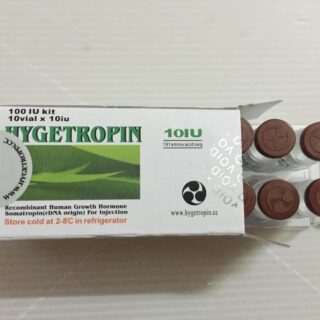 Buy HYGETROPIN 100iu
$130.00
Buy HYGETROPIN 100iu
$130.00
-
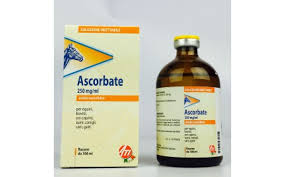 Buy Ascorbate 100mg
$60.00
Buy Ascorbate 100mg
$60.00
-
 Biosal injection
$40.00
Biosal injection
$40.00
-
 Boldenone For Horses
$45.00
Boldenone For Horses
$45.00
-
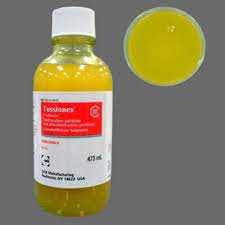 tussionex cough syrup
$230.00
tussionex cough syrup
$230.00