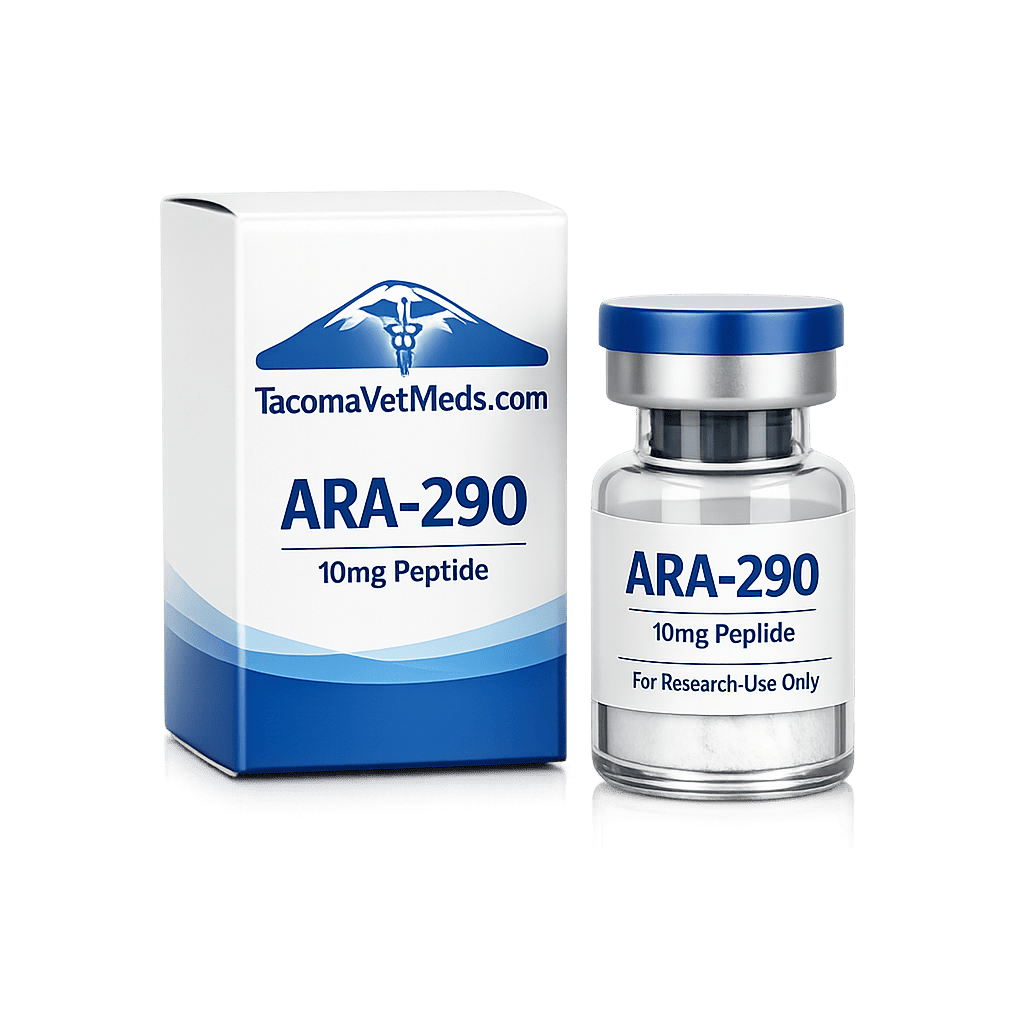
Buy ara-290 online
Original price was: $80.00.$70.00Current price is: $70.00.
ARA-290 represents an intriguing development in tissue-protective peptide research. By selectively targeting repair pathways associated with erythropoietin while minimizing hematopoietic effects, it offers a unique scientific model for studying inflammation, neuroprotection, and tissue regeneration.
The Comprehensive Guide to ARA-290 (Cibinetide): Exploring the Innate Repair Receptor, Tissue Protection, and Regulatory Pathways
Neuropathic pain, chronic inflammation, metabolic breakdown, and ischemic tissue damage represent some of the most complex challenges in modern medicine. When internal organs, peripheral nerves, or vascular networks are damaged by chronic autoimmune attacks, metabolic diseases like diabetes, or a sudden loss of blood flow, the human body initiates a complex cellular response.
For decades, medical research focused almost exclusively on blocking individual inflammatory signals (such as TNF-alpha, IL-6, or IL-1beta). However, modern biotechnology has shifted toward a more sophisticated approach: activating the body’s built-in cellular survival and tissue repair systems.
At the center of this new approach is ARA-290 (also known scientifically as Cibinetide). Derived from the structure of erythropoietin (EPO), ARA-290 is a specialized peptide engineered to selectively target and activate the Innate Repair Receptor (IRR).
Unlike standard EPO, ARA-290 does not stimulate red blood cell production, completely avoiding the risks of thick blood, elevated hematocrit, and blood clots. Instead, it triggers a powerful, targeted response that dampens chronic inflammation, protects delicate tissues from cellular death (apoptosis), and promotes the repair of damaged peripheral nerves.
This comprehensive guide covers the science, cellular pathways, clinical research, storage requirements, and safety protocols surrounding ARA-290.
Section 1: Chemical Structure, Design, and the Innate Repair Receptor (IRR)
To truly understand how ARA-290 works, we must first look at the biology of its parent molecule, Erythropoietin (EPO).
The Dual Nature of Erythropoietin
Traditionally known as a hormone produced by the kidneys, EPO is famous for stimulating the production of red blood cells by binding to the standard Erythropoietin Receptor (EPOR). This pathway is vital for correcting anemia and maintaining oxygen transport throughout the body.
However, researchers eventually discovered that the body also produces EPO locally in tissues outside the bone marrow—such as the brain, spinal cord, heart, retina, and blood vessel linings—following an injury, stroke, or severe inflammation. In these high-stress situations, EPO does not interact with the standard red blood cell receptor. Instead, it binds to a unique, specialized structure known as the Innate Repair Receptor (IRR).
The IRR is a hybrid receptor complex. It is formed by the pairing of one standard EPOR chain with a common beta receptor subunit known as CD131.
Under normal, resting conditions, cells express very few IRRs. However, when a tissue faces metabolic stress, low oxygen (hypoxia), or an influx of inflammatory cytokines. Cells rapidly display IRRs on their surfaces. This acts as an emergency signal, preparing the cell to receive survival and repair messages.
The Invention of ARA-290 (Cibinetide)
While natural EPO can bind to the IRR to protect tissues, using it in high doses for non-anemic conditions poses serious medical risks. Sustained activation of the standard EPOR forces the bone marrow to overproduce red blood cells. This significantly increases blood thickness (viscosity), raises blood pressure, and elevates the risk of heart attacks, strokes, and deep vein thrombosis.
To solve this problem, medical researchers mapped the exact structure of the EPO molecule to isolate the specific section responsible for binding to the tissue-protecting IRR, while completely avoiding the section that triggers red blood cell production.
The result of this molecular engineering is ARA-290, an 11-amino acid linear peptide styled precisely after a specific section of EPO. Because of this precise structure, ARA-290 fits perfectly into the hybrid IRR pocket but cannot bind to the standard erythropoietic receptor. This unique selectivity allows ARA-290 to deliver all the tissue-protective, anti-inflammatory, and nerve-regenerating benefits of EPO without altering red blood cell counts or increasing blood clot risks.
Section 2: Molecular Pathways – How ARA-290 Shuts Down Chronic Inflammation
When the Innate Repair Receptor (IRR) is activated by ARA-290, it triggers a cascade of internal cellular signals that alter how the cell responds to stress. It shifts the cell’s internal environment away from inflammation and self-destruction toward survival, stabilization, and repair.
1. Inhibition of the NF-kB Cascade
The NF-kB pathway is the central control switch for systemic inflammation. When cells are exposed to toxins, low oxygen, or physical trauma, NF-kB moves into the cell nucleus. There, it triggers the mass production of inflammatory proteins, including Tumor Necrosis Factor-Alpha (TNF-alpha), Interleukin-1 Beta (IL-1beta), Interleukin-6 (IL-6), and Inducible Nitric Oxide Synthase (iNOS).
When ARA-290 binds to the IRR, it activates a specialized internal signal that blocks the activation of NF-kB, preventing it from entering the nucleus. As a result, the production of harmful inflammatory cytokines drops sharply, halting tissue damage at its molecular source.
2. Activation of the PI3K/Akt Survival Pathway
Simultaneously, the ARA-290 complex activates the PI3K/Akt pathway, which is one of the body’s primary cell-survival mechanisms. Once activated, this pathway modifies key internal cell proteins, deactivating the signals that normally trigger cell self-destruction (apoptosis) and increasing the production of protective, anti-survival proteins. By tipping the internal cellular balance toward survival, ARA-290 keeps heavily stressed cells alive, preventing tissue death in organs and nerve networks undergoing metabolic shock.
3. Modifying Macrophage Activation (M1 to M2 Shift)
In damaged tissues, macrophages—the immune system’s primary cleanup cells—typically adopt a harsh, pro-inflammatory state called the M1 phenotype. These M1 cells release destructive free radicals and chemical signals that break down surrounding tissues.
ARA-290 alters this immune response by encouraging macrophages to shift into the healing state known as the M2 phenotype. M2 macrophages focus on calming inflammation, clearing out cellular debris, releasing tissue-growth factors, and promoting healthy blood vessel formation to restore proper blood flow to the area.
Section 3: Applications in Peripheral Neuropathy and Small Fiber Neuropathy (SFN)
One of the most heavily researched areas for ARA-290 is its potential to treat Small Fiber Neuropathy (SFN).
The Challenge of Small Fiber Neuropathy
Small fiber neuropathy is a painful, debilitating condition characterized by the progressive damage and loss of the tiny unmyelinated C-fibers and thinly myelinated A-delta fibers. These tiny nerve fibers are responsible for transmitting pain and temperature sensations. As well as controlling autonomic functions like heart rate and digestion.
When these small fibers are damaged—frequently due to diabetes, sarcoidosis, or autoimmune conditions—patients experience severe, burning pain, tingling, numbness, and extreme sensitivity to touch. Traditional medicine offers very few options for SFN, relying primarily on medications like gabapentin or pregabalin. These drugs merely dull the nervous system’s pain signals; they do nothing to stop the underlying nerve damage or help the nerve fibers heal.
Structural Nerve Regeneration via ARA-290
ARA-290 changes this treatment paradigm by targeting the root causes of small fiber neuropathy: ongoing inflammation and nerve fiber death.
Clinical studies evaluating patients with sarcoidosis-associated and diabetic small fiber neuropathy have shown that regular administration of ARA-290 can actually stimulate the regrowth of these tiny nerve fibers.
By calming the inflammatory environment around peripheral nerves, ARA-290 allows damaged nerve pathways to repair themselves. This physical healing can be verified using Corneal Confocal Microscopy (CCM), an imaging technique that measures the density of small nerve fibers in the cornea of the eye. As these nerve fibers physically grow back and recover, patients report a significant, lasting reduction in neuropathic pain and an overall improvement in their quality of life.
Section 4: Deep Dive into Metabolic Health, Ischemia, and Organ Protection
Beyond its role in treating nerve pain, ARA-290’s ability to protect cells from stress makes it a valuable compound for safeguarding internal organs during metabolic crises or sudden losses of blood supply.
1. Diabetic Complications and Cardiovascular Health
In individuals with Type 2 diabetes or chronic metabolic syndrome, persistent high blood sugar creates an environment of constant oxidative stress. This stress damages the delicate endothelial cells lining the blood vessels, leading to systemic cardiovascular disease, poor wound healing, and kidney damage (nephropathy).
By consistently activating the Innate Repair Receptor, ARA-290 helps protect these vital endothelial layers from sugar-induced cell damage. It preserves blood vessel flexibility, maintains healthy blood flow, and limits the microvascular damage that eventually leads to kidney stress and vision loss (retinopathy).
2. Mitigating Ischemia-Reperfusion Injury (IRI)
Ischemia-Reperfusion Injury occurs when blood supply to a vital organ is temporarily cut off (ischemia) and then suddenly restored (reperfusion). While restoring blood flow is absolutely necessary, the sudden rush of oxygen actually triggers a massive release of inflammatory free radicals and a dangerous overload of calcium inside the cells. This secondary shock can cause widespread cell death and permanent tissue damage.
IRI is a major concern during complex surgeries, organ transplants, and treatments for acute heart attacks or strokes. Administered prior to restoring blood flow, ARA-290 readies the cells for the incoming oxidative stress. It helps keep the cell’s internal energy generators (mitochondria) stable, preventing the opening of pores that dump cell-destroying enzymes into the tissue. This significantly limits the total area of tissue damage in the heart, brain, or kidneys, preserving overall organ function.
Section 5: Reconstitution, Storage, and Chemical Stability
Because ARA-290 is a delicate 11-amino acid peptide chain, it must be handled, stored, and prepared with care to maintain its structural stability and ensure its effectiveness.
The Importance of Lyophilization
In its raw, manufactured state, ARA-290 is vulnerable to moisture, heat, and light. To preserve its molecular structure, the liquid peptide is quickly frozen and dried under a vacuum through a process called lyophilization (freeze-drying). This creates a purified crystalline white powder sealed inside air-tight glass vials under a protective gas layer.
Reconstitution Protocols
Before administration, the freeze-dried powder must be carefully mixed back into a liquid state using a sterile liquid carrier, typically Bacteriostatic Water (which contains a mild benzyl alcohol preservative) or sterile saline.
To prepare the solution correctly without damaging the delicate peptide chains, follow these standard laboratory guidelines:
-
Sanitize All Surfaces: Thoroughly clean the rubber stoppers of both the bacteriostatic water vial and the peptide vial using a fresh 70% isopropyl alcohol swab.
-
Controlled Liquid Introduction: Draw up the precise volume of bacteriostatic water into a sterile syringe. Insert the needle through the center of the peptide vial’s rubber stopper. Do not spray the liquid directly onto the powder. Instead, angle the needle toward the inner glass wall of the vial, allowing the water to slowly stream down the side and pool at the bottom.
-
Gentle Dissolution: Most premium-grade ARA-290 powder will begin dissolving instantly upon contact with the water. Never shake the vial vigorously. Aggressive shaking can create harsh friction that breaks the delicate peptide bonds, rendering the compound inactive. Instead, gently roll the vial between the palms of your hands or swirl it slowly in a circular motion until the solution is completely clear and free of any undissolved particles.
Storage and Shelf-Life Temperature Matrix
The temperature requirements for maintaining ARA-290 stability depend on whether the peptide is still in its dry powder form or has already been mixed with water:
-
Dry Powder (Long-term): Stored in a standard deep freezer (at -20 degrees Celsius), the powder remains stable for up to 24 months.
-
Dry Powder (Short-term): Stored in a standard refrigerator (between 2 to 8 degrees Celsius), the powder remains stable for 12 to 18 months. Kept in a cool, dark cabinet at room temperature, it remains stable for 30 to 60 days.
-
Liquid Solution: Once mixed with water, the vial must be kept in the refrigerator (between 2 to 8 degrees Celsius) and should be used within 21 to 28 days.
Critical Handling Warning: Avoid exposing reconstituted ARA-290 to repeated cycles of freezing and thawing. Freezing a liquid solution creates sharp ice crystals that shear through peptide strands, destroying the molecule’s structural integrity.
Section 6: Comprehensive Buying Guide – Navigating Purity, Assays, and Supply Chains
Because peptides are primarily sold through digital research distribution networks, identifying a premium, trusted source requires a careful, evidence-based approach. Because these manufacturing lines are not subject to standard retail oversight, the responsibility falls on the buyer to verify product authenticity, batch purity, and safety.
1. Demand Independent High-Performance Liquid Chromatography (HPLC) Testing
The baseline certification for any legitimate peptide supplier is a current, batch-specific certificate of analysis generated by an independent, third-party laboratory. Never rely on in-house testing data provided by the manufacturer.
A comprehensive third-party testing report must include two core analytical tests:
-
High-Performance Liquid Chromatography (HPLC): This test separates, identifies, and measures the concentration of compounds within a sample. A premium-grade ARA-290 batch should show a single. Dominant peak confirming a minimum purity rating of 98.0% or higher, with minimal secondary peaks indicating trace impurities.
-
Mass Spectrometry (MS): While HPLC measures purity, Mass Spectrometry measures the exact molecular weight of the compound to prove its identity. The report should display a clear peak matching the theoretical molecular mass of the ARA-290 peptide chain. This confirms that the vial actually contains Cibinetide and is not an unrelated, mislabeled peptide compound.
2. Evaluate Lyophilization Quality and Physical Attributes
The physical appearance of the peptide inside the sealed glass vial can tell you a lot about the quality of the manufacturing process:
-
The Ideal Appearance: A professionally produced vial should contain a uniform, stable, crystalline “cake” or a clean, condensed disc of dry white powder at the bottom.
-
Signs of Substandard Processing: Avoid vials containing loose, irregular, yellowed, or sticky powder. These visual flaws usually point to a faulty freeze-drying process that left excess moisture inside the vial, which can rapidly break down the peptide bonds and reduce the product’s shelf life.
3. Verify Supplier Transparency and Shipping Standards
Reputable research suppliers stand out by maintaining clear communication, transparent sourcing practices, and high shipping standards:
-
Secure Payment Architecture: Verified suppliers provide recognized, encrypted checkout options that safeguard your personal and financial identity.
-
Secure, Temperature-Controlled Shipping: During warm summer months, premium suppliers ship their peptides inside insulated, climate-controlled packaging or alongside chilled gel packs. This protects the dry powder from extreme heat spikes during transit, ensuring the peptide remains perfectly intact upon arrival.
Section 7: Clinical Dosing Context and Efficacy Timelines
While ARA-290 is classified as a research peptide in many jurisdictions, human clinical trials have established consistent dosing frameworks and clear safety boundaries.
Core Dosing Reference Guide
Throughout formal clinical trials evaluating small fiber neuropathy and sarcoidosis management, the standard therapeutic dose utilized by researchers was:
Daily Administration: 4 mg to 8 mg via Subcutaneous Injection
-
Standard Cycle Duration: These clinical protocols typically ran for a consecutive duration of 28 days (4 weeks) to allow sufficient time for structural tissue adaptation and small nerve fiber regrowth.
-
Tolerance and Safety Profiles: Across these human clinical populations, ARA-290 demonstrated an exceptional safety profile. Because it does not interact with the standard red blood cell receptor. Trials reported zero significant changes in hemoglobin levels, zero increases in blood pressure, and zero changes in baseline hematocrit counts. The compound was well-tolerated, with no severe adverse side effects reported.
The Expected Healing Timeline
Because ARA-290 works by physically repairing tissue and regenerating nerve structures. Its benefits develop gradually over time, following a clear physiological path:
-
Days 1 to 7: ARA-290 activates the Innate Repair Receptor, aggressively cutting down immediate inflammatory signals. Patients typically report a noticeable reduction in systemic burning pain, internal heat sensations, and acute nerve spikes.
-
Days 8 to 21: Cells are protected from active self-destruction, and healing immune cells (M2 macrophages) clear out tissue debris. Patients frequently experience improved sleep quality, reduced systemic stress, and stabilized autonomic functions (such as better digestion and more consistent heart rate patterns).
-
Days 22 to 28+: With the inflammatory environment stabilized, the tiny unmyelinated nerve fibers (C-fibers) begin structural regrowth. This results in a long-lasting reduction in overall neuropathic symptoms, a gradual return of normal touch and temperature sensitivity, and enhanced physical mobility.
Section 8: Summary – The Future of Tissue Protection and Nerve Regeneration
ARA-290 (Cibinetide) represents a major milestone in advanced peptide design. By mapping the tissue-protective properties of erythropoietin and isolating them from red blood cell production pathways. Scientists successfully created a selective tool for activating the Innate Repair Receptor (IRR).
Through its ability to calm the body’s primary inflammatory pathways, keep heavily stressed cells alive, and encourage immune cells to shift into a healing state. ARA-290 targets the root causes of chronic inflammation, nerve pain, and tissue loss. Whether it is used to treat the severe pain of Small Fiber Neuropathy. Safeguard internal organs from surgery-related shock, or limit the long-term damage of metabolic conditions. This 11-amino acid peptide offers a powerful alternative to traditional symptom management.
As research continues to reveal the therapeutic potential of the Innate Repair Receptor, securing high-purity. Independently verified ARA-290 remains essential for researchers looking to explore the cutting edge of cellular repair, tissue preservation, and regenerative medicine.
Frequently Asked Questions
Where can i buy ARA-290 Online?
You can order ara-290 online without stress from TACOMAVETNEDS. Because we are trustworthy , reliable and efficient. Place your orders now.
What is ARA-290?
ARA-290 is a synthetic peptide derive from erythropoietin and designed to activate tissue-protective pathways.
Does ARA-290 increase red blood cell production?
It was specifically develope to minimize hematopoietic effects while retaining tissue-protective properties.
What conditions are being studied?
Research has examined neuropathic pain, sarcoidosis, inflammatory disorders, and metabolic conditions.
Is ARA-290 approve everywhere?
Regulatory status varies and continues to evolve as research progresses.
Authoritative Reference Framework
For further scientific exploration and clinical validation, review these peer-reviewed resources:
-
Review the molecular structure and activation mechanics of the Innate Repair Receptor (IRR) via the National Center for Biotechnology Information (NCBI) PubMed Central database.
-
Examine clinical trial outcomes tracking small fiber nerve regrowth and Corneal Confocal Microscopy (CCM) progress through the U.S. National Institutes of Health Clinical Trials Registry.
Related products
-
buy decadron injection online
$50.00Add to cartBuy Decadron Injection Online – Fast, Safe & Affordable Decadron (dexamethasone) is a corticosteroid injection used to treat inflammation, severe allergies, adrenal insufficiency, and other medical conditions. Whether you’re managing chronic illness or post-operative swelling, you can buy Decadron injection online conveniently and affordably. What Is Decadron Injection? Decadron injection contains dexamethasone sodium phosphate, …
-
Folltropin Alfa
Original price was: $200.00.$150.00Current price is: $150.00.Add to cartFolltropin Alfa – Product Description Product Name: Folltropin AlfaDrug Class: Recombinant Follicle-Stimulating Hormone (rFSH)Common Brand Names: Gonal-f®, Puregon®, Follistim® Description: Folltropin alfa is a recombinant form of human follicle-stimulating hormone (FSH) used in assisted reproductive technologies to stimulate ovarian follicle development in women undergoing fertility treatments. It is manufactured using recombinant DNA technology, ensuring high …

Top rated products
-
 Buy Burnabol 1ml Injection: Uses, Benefits, Dosage, Side Effects & Precautions
Original price was: $60.00.$50.00Current price is: $50.00.
Buy Burnabol 1ml Injection: Uses, Benefits, Dosage, Side Effects & Precautions
Original price was: $60.00.$50.00Current price is: $50.00.
-
 Buy HYGETROPIN 100iu
$130.00
Buy HYGETROPIN 100iu
$130.00
-
 Buy Ascorbate 100mg
$60.00
Buy Ascorbate 100mg
$60.00
-
 Biosal injection
$40.00
Biosal injection
$40.00
-
 Boldenone For Horses
$45.00
Boldenone For Horses
$45.00
On Sale
-
 Federgold Calcium-Fit 500ml
Original price was: $25.00.$20.00Current price is: $20.00.
Federgold Calcium-Fit 500ml
Original price was: $25.00.$20.00Current price is: $20.00.
-
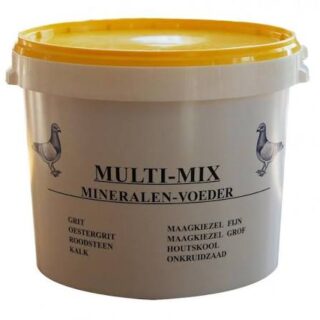 De Patagoon Soft Acid IV+ For Sale Online
Original price was: $50.00.$40.00Current price is: $40.00.
De Patagoon Soft Acid IV+ For Sale Online
Original price was: $50.00.$40.00Current price is: $40.00.
-
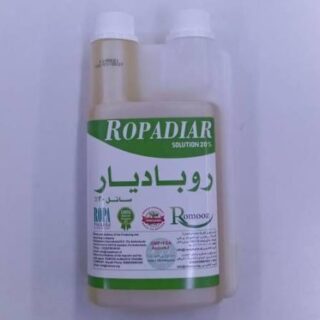 Buy ropadiar solution 20%
Original price was: $120.00.$100.00Current price is: $100.00.
Buy ropadiar solution 20%
Original price was: $120.00.$100.00Current price is: $100.00.
-
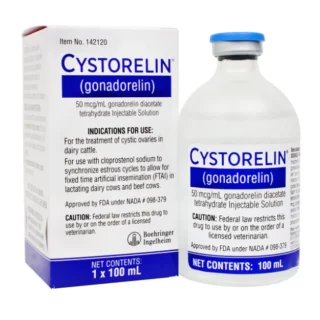 Cystorelin for cows
Original price was: $60.00.$50.00Current price is: $50.00.
Cystorelin for cows
Original price was: $60.00.$50.00Current price is: $50.00.
-
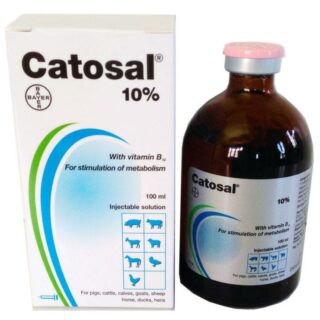 Catosal for horses
Original price was: $60.00.$50.00Current price is: $50.00.
Catosal for horses
Original price was: $60.00.$50.00Current price is: $50.00.