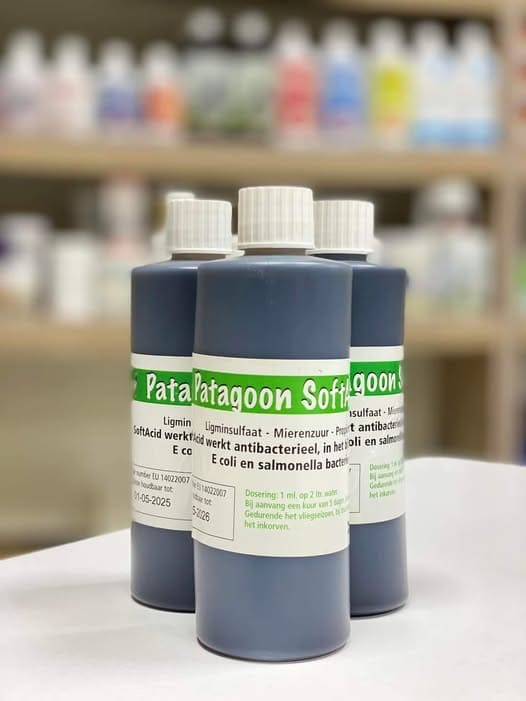
Patagoon Soft Acid
$50.00
Buy Patagoon Soft Acid Online from Tacoma Vet Meds
De Patagoon Soft Acid: Advanced Intestinal Health and Water Biosecurity for High-Performance Poultry and Livestock
In modern commercial poultry operations, gamefowl breeding, and intensive livestock farming, managing gastrointestinal health and securing water biosecurity are crucial for operational success. Traditional pure organic acids (like raw formic or propionic acid). have long been utilized to lower water pH and suppress pathogens. However, they come with significant practical drawbacks: they are highly volatile, emit strong pungent odors, cause extreme equipment corrosion, and can severely burn the delicate upper digestive linings of animals.
De Patagoon Soft Acid represents a major technological leap in farm acidifiers. Developed by combining powerful organic acids with specialized lignosulfonic acid (a complex plant-derived organic polymer), Soft Acid provides a potent antimicrobial and pH-lowering effect without the aggressive, hazardous traits of pure acids.
This comprehensive guide covers the science, benefits, multi-species applications, standard usage protocols, and essential buyer’s safety criteria for De Patagoon Soft Acid.
1. The Chemistry: What Makes Soft Acid Unique?
The foundational innovation behind De Patagoon Soft Acid is its ability to blunt the harsh. Corrosive nature of organic acids while preserving—and even enhancing—their biological efficacy.
   Pure Organic Acid                         De Patagoon Soft Acid
(Formic/Propionic Alone)             (Organic Acids + Lignosulfonic Matrix)
          │                                            │
          ▼                                            ▼
• Extreme equipment corrosion               • Non-corrosive to water lines
• Pungent, volatile vapor                   • Odor-free and stable
• Destroys beneficial tissues               • Gentle on oral and gut mucosa
• Pathogens quickly adapt                   • Complete biological penetration
The Role of Lignosulfonic Acid
When pure formic acid is mixed with lignosulfonic acid, it forms a stable complex structure. The lignosulfonic polymer acts as a protective molecular shield. It holds the acid molecules firmly in place, keeping them from evaporating into a pungent, choking gas and preventing them from attacking metal surfaces.
Once consumed by the animal, this specialized matrix releases the organic acids smoothly and steadily throughout the gastrointestinal tract, ensuring deep tissue penetration right where harmful pathogens try to colonize.
2. Core Biological Mechanisms in the Digestive Tract
De Patagoon Soft Acid acts as a multi-stage stabilizer inside the animal’s gut, operating through two primary pathways:
Immediate Water and Crop Acidification
High-performance birds and livestock require an acidic environment in the upper digestive tract. (such as the crop and proventriculus in poultry, or the stomach in pigs) to properly activate vital digestive enzymes like pepsin. Soft Acid quickly drives drinking water pH down to an optimal zone of 4.0 to 4.5. This optimal acidity jumpstarts protein breakdown and forms a strong barrier against swallowed environmental pathogens.
Direct Pathogen Elimination
Unlike thin-walled beneficial bacteria, common Gram-negative pathogens are highly sensitive to internal acid shifts.
When Soft Acid enters the gut, its undissociated (un-split) acid molecules slide straight through the outer lipid walls of harmful bacteria like Salmonella and Escherichia coli. Once inside the bacterial cell, the molecules split open, dropping the internal pH and forcing the bacteria to expend all its cellular energy trying to pump out the excess acid. This quickly exhaust the cell, halting bacterial replication and causing total cell death.
3. Key Operational Benefits
-
Strong Antibacterial Action: Effectively controls outbreaks of pathogenic E. coli, Salmonella, and Campylobacter across large multi-tier barns or individual flight pens.
-
Low Corrosion Rate: Unlike standard acids that rust steel nipples, pit plastic watering lines, and destroy expensive dosing pumps, Soft Acid is completely gentle on equipment, preserving your farm infrastructure.
-
Improves Feed Conversion and Growth Rates: Thoroughly breaking down proteins in an acidic environment allows the animal to absorb more nutrients from its daily feed ration, resulting in better weights and an improved Feed Conversion Ratio (FCR).
-
Controls Biofilm in Water Lines: Continuous application strips away the sticky organic slime (biofilm) that accumulates inside dark water pipes, removing the primary breeding ground for recurrent disease outbreaks.
-
Maintains High Water Intake: Pure formic acid tastes bitter and deters animals from drinking, which drops feed intake and stalls growth. Soft Acid is virtually odorless and palatable, ensuring animals drink steadily and stay fully hydrated.
4. Multi-Species Application and Dosage Guide
De Patagoon Soft Acid is highly water-soluble and adapts perfectly to automated water medicator proportioner systems. (like Dosatron) as well as manual batch tanks.
| Target Animal Class | Routine Maintenance Dose (Per 1,000L Water) | High-Stress / Disease Outbreak Dose (Per 1,000L Water) | Primary Management Goal |
| Commercial Broilers | 500 mL – 1,000 mL | 1,500 mL – 2,000 mL | Controls Salmonella and prevents necrotic enteritis. |
| Laying Hens & Breeders | 500 mL | 1,000 mL | Enhances calcium absorption for ultra-firm eggshells. |
| Racing Pigeons & Gamefowl | 0.5 mL – 1 mL per Liter | 2 mL per Liter | Clears up wet droppings and prevents sour crop. |
| Weaner & Finisher Pigs | 1,000 mL | 2,000 mL | Minimizes post-weaning scours and E. coli outbreaks. |
Strategic Implementation Protocols
-
The Continuous Water Line Routine: For automated broiler or swine barns, run Soft Acid at the standard maintenance dose continuously to keep watering lines clean and prevent pathogen buildup.
-
The 5-Day Post-Weaning Pulse: For piglets, run the high-stress dose for 5 consecutive days immediately after weaning to protect their vulnerable digestive systems during the transition to dry feed.
5. Strategic Recovery Sequencing
While De Patagoon Soft Acid is excellent for clearing out Gram-negative pathogetic bacteria. Managing high-performance stock or large commercial flocks requires a holistic recovery plan:
-
The Live Vaccine Shield: Never run Soft Acid in the drinking lines during the 24 hours before or after a live oral vaccination. The antimicrobial nature of the acidified water can deactivate the vaccine agents. Use clean, untreated water during this window.
-
The Post-Acid Microflora Reset: After finishing an intensive disease treatment course using Soft Acid, immediately follow up with a 3-to-5-day regimen of a high-potency oral probiotic and electrolyte supplement (such as Vitmin Pro). While Soft Acid controls pathogens, following up with a targeted probiotic ensures the cleared gut space is quickly repopulated with beneficial bacteria, stabilizing digestion and restoring optimal metabolic health.
6. Sourcing Wholesale Deals for Large Operations
For large poultry operations, commercial swine units, and regional agricultural supply stores, purchasing single containers at retail prices quickly cuts into your profitability. Setting up bulk wholesale purchasing pathways is the most efficient way to optimize your operational budget.
-
The Case Box Tier (Liters): Perfect for private gamefowl breeding facilities, racing pigeon lofts, and boutique stables.
-
The Commercial Pallet Contract: Designed for commercial livestock complexes. Sourcing Soft Acid by the pallet provides. Significant per-unit cost savings and ensures your water lines have constant biosecurity throughout the multi-month grow-out cycle.
-
Bulk Industrial Totes (1,000 Liters): Available for automated feed-manufacturing plants and large-scale poultry operations that integrate acidification directly into central water holding tanks.m
Related products
-
Adrenal Cortex Plus
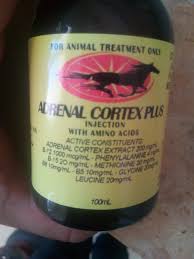
$45.00Add to cartAdrenal Cortex Plus: Powerful Anti-Inflammatory and Analgesic Solution for Horses Adrenal Cortex Plus is a specialized supplement formulated to support the adrenal health of horses. The adrenal glands play a critical role in managing stress, energy levels, and overall hormonal balance. For equine athletes or horses under significant stress, maintaining healthy adrenal function is crucial …
-
buy arnica ice gel
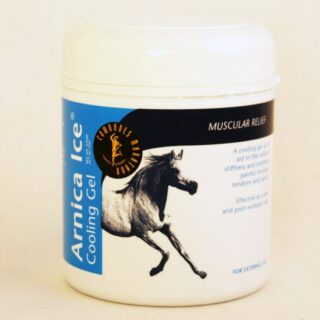
$70.00Add to cartDescription Buy arnica ice gel. Kyron Arnica Ice Gel is a highly effective cooling gel formulated to alleviate stiffness, soreness, and pain in muscles, tendons, and joints. Designed for both humans and horses, this gel harnesses the combined power of four key ingredients to deliver significant relief from discomfort and aid in the healing process. …
Top rated products
-
 Buy HYGETROPIN 100iu
$130.00
Buy HYGETROPIN 100iu
$130.00
-
 Buy Ascorbate 100mg
$60.00
Buy Ascorbate 100mg
$60.00
-
 Biosal injection
$40.00
Biosal injection
$40.00
-
 Boldenone For Horses
$45.00
Boldenone For Horses
$45.00
-
 tussionex cough syrup
$230.00
tussionex cough syrup
$230.00
On Sale
-
 Federgold Calcium-Fit 500ml
Original price was: $25.00.$20.00Current price is: $20.00.
Federgold Calcium-Fit 500ml
Original price was: $25.00.$20.00Current price is: $20.00.
-
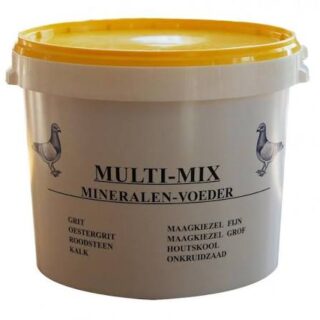 De Patagoon Soft Acid IV+ For Sale Online
Original price was: $50.00.$40.00Current price is: $40.00.
De Patagoon Soft Acid IV+ For Sale Online
Original price was: $50.00.$40.00Current price is: $40.00.
-
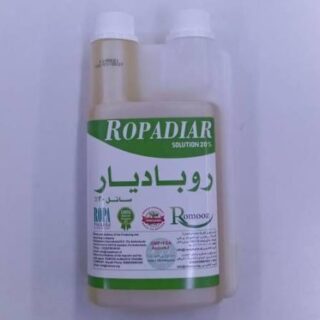 Buy ropadiar solution 20%
Original price was: $120.00.$100.00Current price is: $100.00.
Buy ropadiar solution 20%
Original price was: $120.00.$100.00Current price is: $100.00.
-
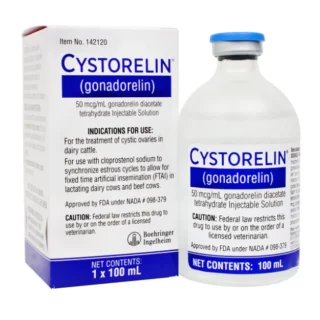 Cystorelin for cows
Original price was: $60.00.$50.00Current price is: $50.00.
Cystorelin for cows
Original price was: $60.00.$50.00Current price is: $50.00.
-
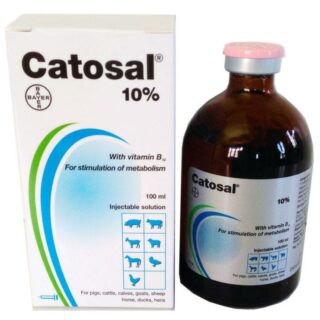 Catosal for horses
Original price was: $60.00.$50.00Current price is: $50.00.
Catosal for horses
Original price was: $60.00.$50.00Current price is: $50.00.