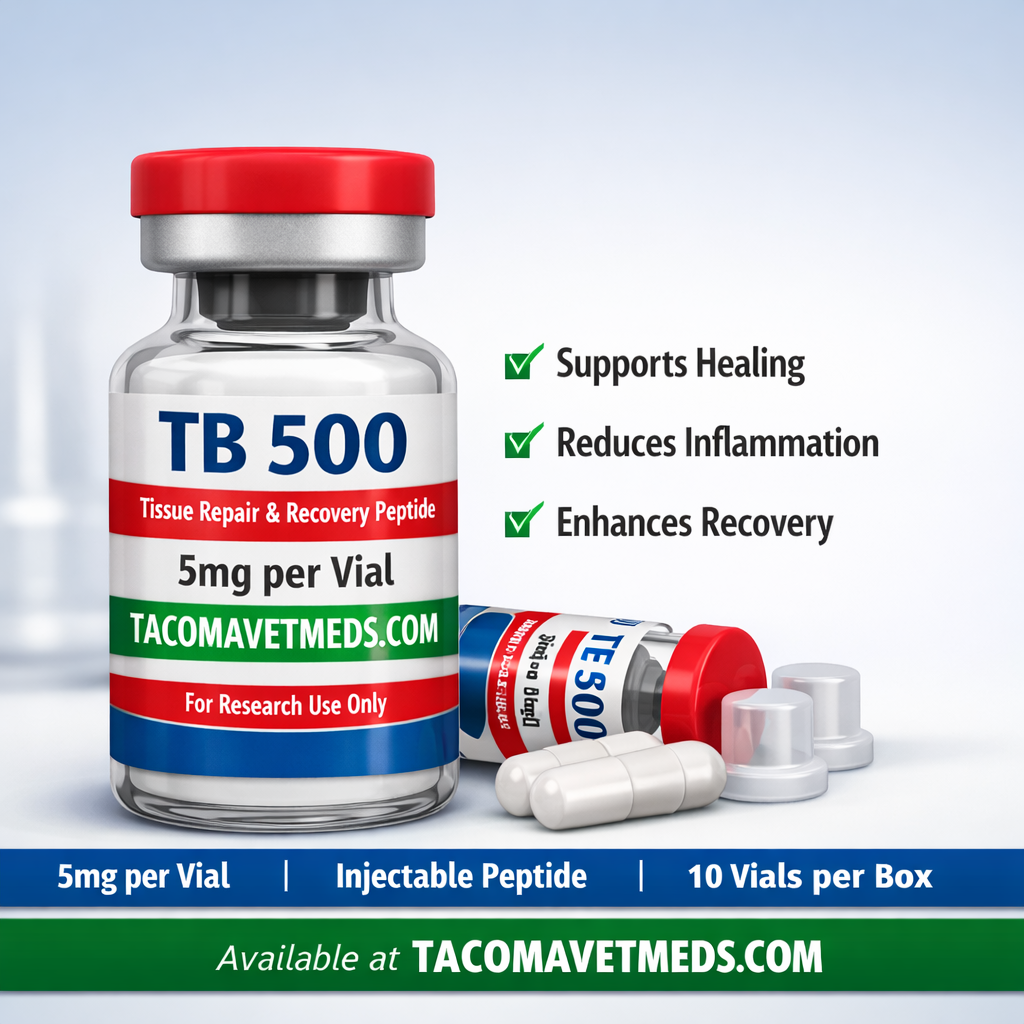
Buy tb-500 Peptide
Price range: $70.00 through $750.00
At TACOMAVETMEDS we guarantee all our customers 100% reliability in all orders and safe deliveries to all addresses provided. Rush now and place your orders…..
TB-500 (Thymosin Beta-4): The Ultimate Guide to Tissue Regeneration, Healing, and Recovery (2026 Edition)
tb-500 peptide. In the realms of sports medicine, physical rehabilitation, and anti-aging biohacking, traditional recovery protocols—rest, ice, and basic physical therapy—are increasingly viewed as incomplete. Today, attention has shifted to cellular signaling molecules that actively orchestrate tissue repair. BUY NOW
At the absolute forefront of this shift is TB-500, a synthetic peptide engineered to mirror the healing power of one of the human body’s most critical regenerative proteins.
As we move through 2026, dramatic updates from federal health regulators have fundamentally altered how TB-500 is sourced, prescribed, and utilized. This comprehensive pillar guide delivers the definitive science, verified clinical mechanisms, precise dosing protocols, and critical legal context you need to understand this regenerative compound.
What is TB-500 Peptide? Understanding the Molecular Foundations
To understand TB-500, you must first understand Thymosin Beta-4 (Tβ4).
Thymosin Beta-4 is a naturally occurring, highly abundant peptide composed of 43 amino acids. It is found in high concentrations in virtually all human and animal cells, with particularly dense concentrations in blood platelets, white blood cells, and damaged tissues. Tβ4 acts as the body’s native supervisor for cellular migration and wound healing.
TB-500 is a synthetic, short-chain peptide fragment that replicates the exact “active site” of Thymosin Beta-4.
[Full Thymosin Beta-4 Molecule: 43 Amino Acids]
                     |
                     v
       [Active Healing Domain: residues 17-23]
                     |
                     v
          [TB-500: LKKTETQ Sequence]
While the complete Tβ4 protein requires complex manufacturing, TB-500 isolates the precise seven-amino-acid sequence (LKKTETQ) responsible for the protein’s actin-binding, cell-migrational, and tissue-rebuilding capabilities.
To improve its stability and safeguard it from rapid enzymatic breakdown in the bloodstream, synthetic TB-500 is modified with an acetyl group at its front end (N-terminal acetylation). This yields a smaller, highly bioavailable molecule that can travel easily through systemic pathways to locate areas of acute or chronic injury.
Mechanism of Action: How TB-500 Repairs Tissue
Unlike anti-inflammatory drugs that merely mask pain by suppressing immune responses, TB-500 initiates a cascade of active biological repairs. It operates through three main pillars of cellular engineering.
1. The Regulation of G-Actin (Cellular Motility)
Actin is a foundational protein necessary for the structural integrity, shape, and movement of cells. It exists in two forms: G-actin (free, monomeric globular actin) and F-actin (polymerized filaments).
TB-500 acts as a primary G-actin sequestering peptide. By binding to G-actin, it controls the polymerization and depolymerization of cellular scaffolding.
When an injury occurs to a muscle, tendon, or ligament, repair cells must physically travel to the epicenter of the damage. TB-500 accelerates this process of cell migration, providing an express lane that helps healing cells reach the wound site rapidly.
2. Angiogenesis (New Blood Vessel Formation)
A major bottleneck in healing connective tissues—such as tendons and ligaments—is their naturally poor blood supply. Without adequate blood flow, damaged cells are starved of oxygen and vital nutrients.
TB-500 upregulates Vascular Endothelial Growth Factor (VEGF) and activates the Akt-eNOS pathways. This signaling induces endothelial cells (the cells lining blood vessels) to proliferate and construct entirely new microscopic capillary networks. This localized vascular expansion floods the injured tissue with the recovery resources it needs.
3. Upregulation of Endogenous Antioxidants
Chronic inflammation creates a toxic, highly oxidative environment that degrades surrounding healthy cells and delays recovery. TB-500 interrupts this cycle by upregulating vital internal antioxidants, specifically Heme Oxygenase-1 (HO-1). This action neutralizes oxidative stress, preserves mitochondrial health inside compromised cells, and minimizes cellular apoptosis (programmed cell death).
The 2026 Regulatory Landscape: The “RFK Jr. Shift”
The legal status and clinical accessibility of TB-500 underwent a massive shift in early 2026. Understanding this updated regulatory landscape is vital for anyone looking to source this peptide safely.
The Compounding Breakthrough (February 2026): In a major regulatory restructuring spearheaded by the Department of Health and Human Services (HHS), TB-500 was officially extracted from the heavily restricted “Category 2” compounding list and placed back into Category 1.
The Practical Impact of the 2026 Ruling:
-
Legally Compoundable: Licensed 503A and 503B compounding pharmacies can now legally manufacture and formulate TB-500 bulk substances for patients.
-
Prescription Required: Because the FDA’s Pharmacy Compounding Advisory Committee (PCAC) manages it as a bulk substance for customized patient needs, it is legally available only under the direct supervision of a licensed physician.
-
The Eradication of the Gray Market: This shift safely redirects patients away from unregulated, unverified online storefronts selling low-purity “Research Use Only” compounds, providing a secure, regulated, and clean domestic medical supply chain.
Clinical Applications: What Does the Research Show?
While large-scale human randomized controlled trials (RCTs) are currently ongoing through 2026, a massive body of animal, in vitro, and clinical observational data highlights TB-500’s primary therapeutic applications.
Soft Tissue Recovery (Muscles, Tendons, Ligaments)
Traditional soft-tissue injuries often heal by laying down dense, unorganized collagen fibers, creating rigid scar tissue that impairs flexibility and leaves the area vulnerable to re-injury. TB-500 promotes proper alignment of newly formed fibers, improving post-recovery flexibility and structural strength in:
-
Rotator cuff tears and tendinopathy.
-
Achilles tendon strains and tears.
-
Acute muscle tears and severe bruising.
Wound Healing and Dermal Repair
Due to its profound influence on cell migration and blood vessel formation, TB-500 drastically shortens the closure time of deep cutaneous wounds, complex lacerations, and diabetic ulcers, while reducing hyper-pigmented scarring.
Neuroprotection and Organ Preservation
Emerging preclinical research shows that TB-500 crosses the blood-brain barrier. It exhibits neuroprotective qualities by downregulating pro-inflammatory cytokines in nerve tissues, and has shown promise in supporting the repair of cardiac tissues following ischemic events (heart attacks).
Administration, Reconstitution, and Dosage Protocols
Because it is a fragile peptide chain, TB-500 is completely broken down by digestive enzymes if consumed orally. To bypass this, it requires subcutaneous (SQ) or intramuscular (IM) injection.
Because TB-500 acts systemically through the bloodstream, local injections directly into the injury site are not strictly necessary; an injection into the fat of the abdomen or thigh will distribute the peptide effectively across the body.
Reconstitution Process
TB-500 arrives as a lyophilized (freeze-dried) white powder inside a vacuum-sealed sterile glass vial. It must be reconstituted before use.
Common Clinical Dosing Protocols
Medical professionals typically categorize TB-500 administration into two distinct phases to optimize cellular receptor saturation.
-
1. The Loading Phase (Weeks 1 to 4–6):
-
Dosage: 4.0 mg to 8.0 mg per week.
-
Frequency: Split evenly into two separate injections per week (e.g., 2.5 mg on Monday, 2.5 mg on Thursday).
-
Purpose: Rapidly raises systemic peptide concentrations to saturate the damaged tissues.
-
-
2. The Maintenance Phase (Weeks 6+):
-
Dosage: 2.0 mg to 4.0 mg per week.
-
Frequency: Administered as a single weekly injection.
-
Purpose: Sustains ongoing angiogenesis and tissue restructuring until the injury is fully rehabilitated.
-
The Ultimate Tissue Repair Synergy: TB-500 vs. BPC-157
Online and within clinical spaces, you will frequently hear about the “Wolverine Stack”—the deliberate combination of TB-500 and BPC-157. While both accelerate tissue healing, they act through distinct, complementary biological pathways.
| Attribute / Feature | TB-500 (Thymosin Beta-4) | BPC-157 (Body Protection Compound) |
| Primary Origin | Human Thymus Gland / Systemic Cells | Human Gastric Juice / Digestive Tract |
| Core Mechanism | Actin-binding, system-wide cell motility | Upregulation of growth hormone receptors |
| Vascular Impact | Systemic Angiogenesis (new capillary beds) | Local Angiogenesis & nitric oxide modulation |
| Systemic Range | High. Travels effortlessly through the blood. | Localized. Best suited closer to the injury. |
| Key Advantage | Unmatched cell migration to injury sites. | Exceptional protection against tendon-bone gap healing. |
The Power of Synergy: When combined, BPC-157 actively builds out the foundational granulation tissue and binds tendon-to-bone margins, while TB-500 drives rapid cell migration and provides the vascular network required to feed that newly created tissue.
Safety Profile, Contraindications, and Side Effects
In both clinical trial environments and real-world monitoring, TB-500 has demonstrated an exceptional safety profile with high tolerability. Because it mirrors an endogenous human peptide, systemic toxicities are non-existent.
Documented Side Effects
When side effects do occur, they are typically mild and transient:
-
Localized redness, bruising, or mild itching at the subcutaneous injection site.
-
A temporary, brief head-rush or mild dizziness immediately following injection (secondary to minor blood pressure fluctuations caused by sudden nitric oxide release).
-
Occasional reports of mild lethargy during the heavy loading phase.
Vital Safety Considerations & Contraindications
Because TB-500 is a powerful promoter of angiogenesis (the formation of new blood vessels), it must be avoid by anyone with a history of active oncological disease (cancer). While TB-500 does not cause or initiate mutations or cancer, active tumors rely heavily on angiogenesis to sustain themselves. Therefore, fueling vessel growth is strictly contraindicated in those contexFrequently Asked Questions)
Frequently Asked Questions About TB-500 Peptide
What is TB-500?
TB-500 is a synthetic peptide that is derive from a naturally occurring protein called thymosin beta-4 (Tβ4). Thymosin beta-4 is found in many tissues throughout the body and plays a role in cell migration, tissue development, and cellular repair processes.
TB-500 is often used in scientific and laboratory research to study its effects on cell growth, tissue regeneration, inflammation, and recovery mechanisms.
What is TB-500 use for?
TB-500 is primarily used in research settings to investigate its potential role in:
- Tissue repair and regeneration
- Cellular migration and proliferation
- Blood vessel formation (angiogenesis)
- Inflammatory response regulation
- Muscle, tendon, and ligament recovery studies
Research into TB-500 continues to explore how it may influence biological processes associated with healing and recovery.
How does TB-500 work?
TB-500 is believe to act by mimicking some of the biological activities of thymosin beta-4. It may support the movement and differentiation of cells involved in tissue maintenance and repair.
Researchers have observed that thymosin beta-4 is involved in:
- Cell migration
- Tissue remodeling
- Formation of new blood vessels
- Regulation of inflammatory processes
These mechanisms make TB-500 a subject of interest in regenerative medicine and biological research.
What is the difference between TB-500 and Thymosin Beta-4?
Thymosin beta-4 is the naturally occurring protein found in the body, while TB-500 is a synthetic peptide version designed for research purposes.
TB-500 contains the active region of thymosin beta-4 believed to contribute to many of its biological functions. Because of its smaller structure, TB-500 is often used in research protocols examining tissue repair and recovery mechanisms.
Why is TB-500 popular in recovery research?
TB-500 has gained attention because researchers are interested in its potential effects on:
- Soft tissue recovery
- Muscle repair mechanisms
- Tendon and ligament studies
- Cellular regeneration pathways
- Recovery from physical stress
Its ability to move throughout the body and interact with various tissues has made it a frequently studied peptide in experimental settings.
Is TB-500 approve by regulatory authorities?
TB-500 is generally market as a research compound and is not approve as a prescription medication for the treatment, cure, or prevention of diseases in humans in many jurisdictions.
Researchers and purchasers should review local regulations before obtaining or using TB-500.
How is TB-500 supplied?
TB-500 is commonly supply as a lyophilize (freeze-dried) powder in sterile vials. The product is typically reconstituted according to laboratory protocols before use in research applications.
Available concentrations may vary depending on the manufacturer and supplier.
How should TB-500 be store?
Unreconstituted TB-500 should generally be store according to manufacturer recommendations, often in a cool, dry environment protected from light.
After reconstitution, storage requirements may change and often involve refrigeration. Always follow the supplier’s storage instructions to maintain product integrity.
What are the potential research benefits of TB-500?
Researchers have investigated TB-500 for its potential role in:
- Supporting tissue regeneration processes
- Promoting cellular migration
- Enhancing wound-healing mechanisms
- Supporting recovery-related biological pathways
- Investigating inflammatory regulation
The extent and significance of these effects remain subjects of ongoing scientific study.
Can TB-500 be combine with other peptides?
In research settings, TB-500 is sometimes studied alongside other peptides to investigate complementary biological mechanisms. Any combine use should be conducted according to appropriate research protocols and regulatory guidelines.
Is TB-500 suitable for veterinary research?
TB-500 has attracted interest in certain veterinary and animal research settings due to its potential involvement in tissue repair mechanisms. Researchers should comply with all applicable regulations and ethical guidelines governing animal studies.
How long does TB-500 remain stable?
Product stability depends on several factors, including manufacturing quality, storage conditions, and whether the peptide has been reconstitute.
Always refer to the manufacturer’s specifications regarding shelf life, expiration dates, and storage recommendations.
What should buyers look for when purchasing TB-500?
When purchasing TB-500, consider the following:
- Product purity
- Third-party testing availability
- Manufacturer reputation
- Batch traceability
- Proper packaging and storage standards
- Clear labeling and documentation
Selecting a reputable supplier helps ensure product quality and consistency.
Where can I buy TB-500 online?
TB-500 is available from specialized peptide and research compound suppliers. When purchasing online, choose a trusted vendor that provides transparent product information, quality-control documentation, and secure ordering procedures.
Always verify that purchasing and possession comply with local laws and regulations before placing an order.
Is TB-500 intended for human consumption?
TB-500 products sold as research compounds are generally label for laboratory research purposes only and are not intend for human consumption unless specifically approved by applicable regulatory authorities.
Researchers should always follow relevant laws, regulations, and safety guidelines.
Related products
-
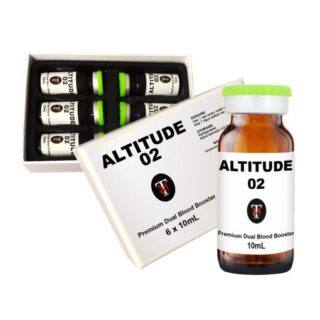
Buy Altitude O2 Online
$65.00Add to cartAltitude O2 Premium Dual Blood Booster: Cutting-Edge Blood Performance Enhancer Buy Altitude O2 online Premium Dual Blood Booster is a state-of-the-art formulation design to enhance blood performance and improve oxygenation levels in the body. Leveraging breakthrough technology, this product aims to optimize blood health, support endurance, and boost overall vitality. Key Features: Buy Altitude O2 …
-
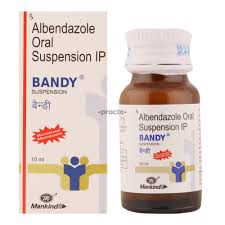
ALBENDAZOLE ORAL
$45.00Add to cartAlbendazole Oral: Versatile Treatment for Parasitic Worm Infestations Buy Albendazole Oral Online. It also known as albendazolum, is a highly effective medication prescribed for the treatment of various parasitic worm infestations. With its broad spectrum of action, this oral medication offers relief from a range of parasitic infections, making it an invaluable tool in combating …
-
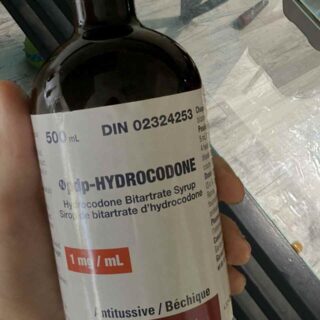
pdp-Hydrocodone 500ml
$250.00Add to cartDescription pdp-Hydrocodone 500ml is a potent antitussive medication designed to alleviate exhausting and nonproductive coughing. This medication, formulated as a syrup, targets the brain to reduce the urge to cough, providing relief from persistent cough symptoms. What is PDP-Hydrocodone 500ml? PDP-Hydrocodone is a combination medication typically available as a syrup or solution. It often contains …
Top rated products
-
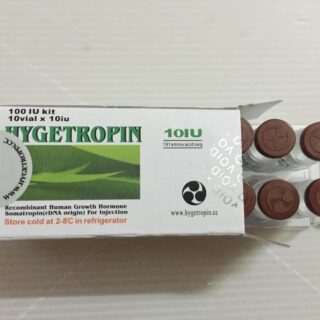 Buy HYGETROPIN 100iu
$130.00
Buy HYGETROPIN 100iu
$130.00
-
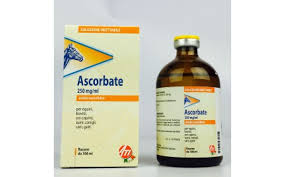 Buy Ascorbate 100mg
$60.00
Buy Ascorbate 100mg
$60.00
-
 Biosal injection
$40.00
Biosal injection
$40.00
-
 Boldenone For Horses
$45.00
Boldenone For Horses
$45.00
-
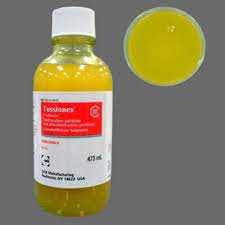 tussionex cough syrup
$230.00
tussionex cough syrup
$230.00
On Sale
-
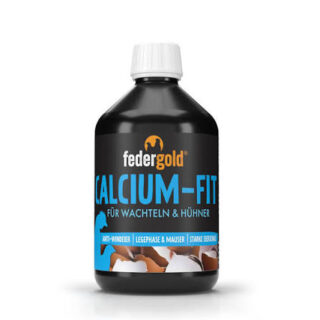 Federgold Calcium-Fit 500ml
Original price was: $25.00.$20.00Current price is: $20.00.
Federgold Calcium-Fit 500ml
Original price was: $25.00.$20.00Current price is: $20.00.
-
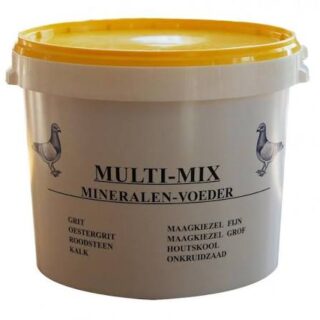 De Patagoon Soft Acid IV+ For Sale Online
Original price was: $50.00.$40.00Current price is: $40.00.
De Patagoon Soft Acid IV+ For Sale Online
Original price was: $50.00.$40.00Current price is: $40.00.
-
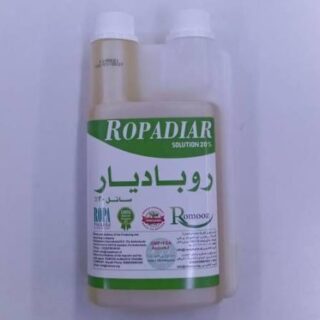 Buy ropadiar solution 20%
Original price was: $120.00.$100.00Current price is: $100.00.
Buy ropadiar solution 20%
Original price was: $120.00.$100.00Current price is: $100.00.
-
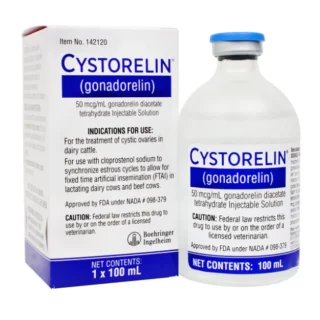 Cystorelin for cows
Original price was: $60.00.$50.00Current price is: $50.00.
Cystorelin for cows
Original price was: $60.00.$50.00Current price is: $50.00.
-
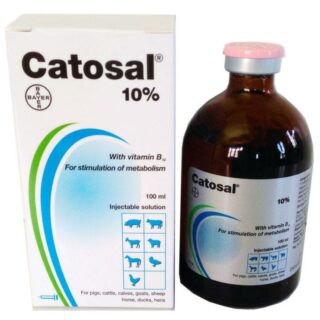 Catosal for horses
Original price was: $60.00.$50.00Current price is: $50.00.
Catosal for horses
Original price was: $60.00.$50.00Current price is: $50.00.